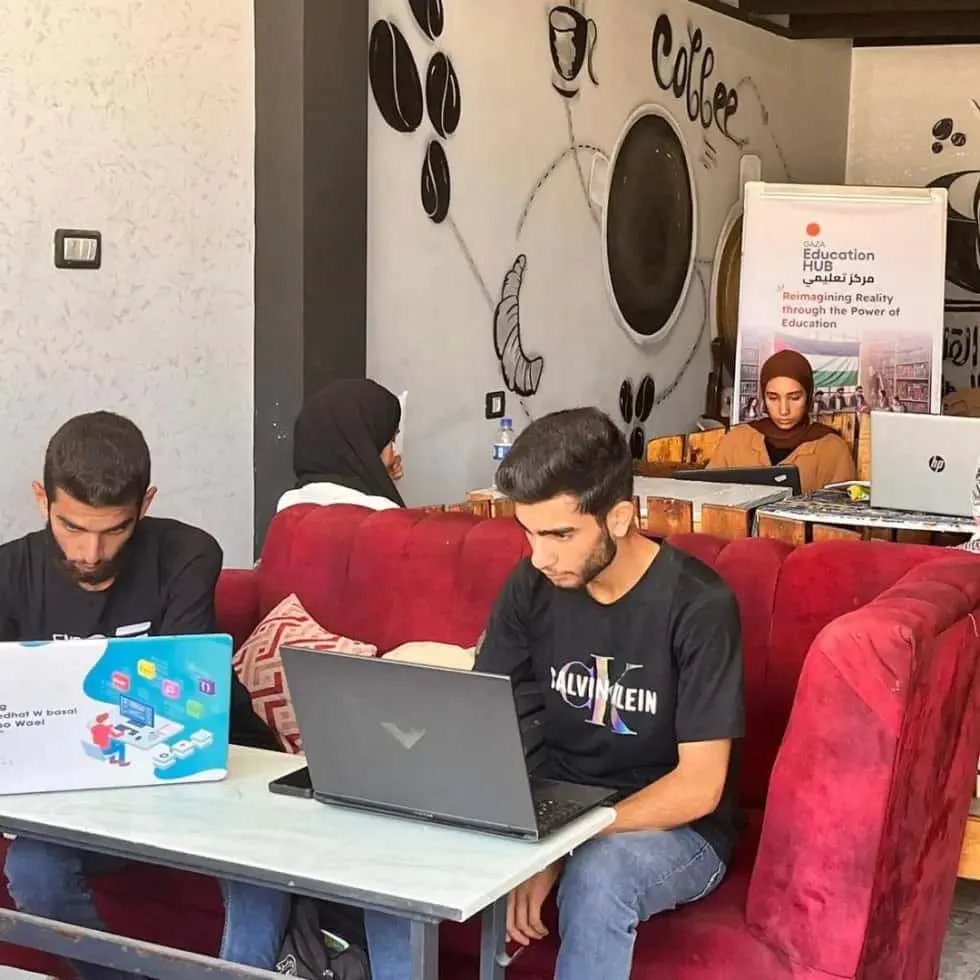
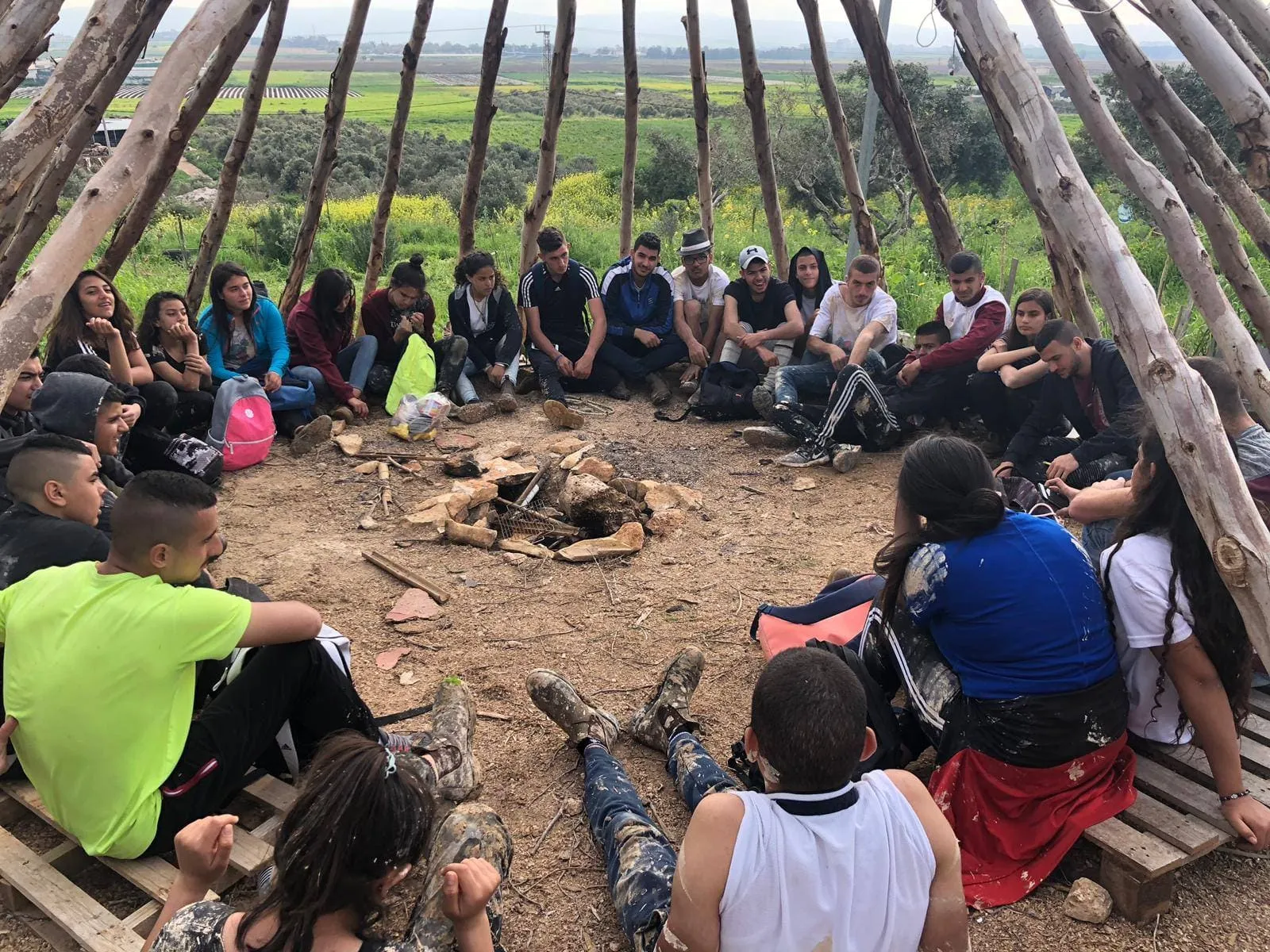
The Root Fellowship is BuildPalestine’s flagship program in which we search for local changemakers across Palestine – the West Bank, Jerusalem, the 48 lands, and Gaza — who are leading initiatives making real, immediate impact for their communities. For six months, through technical assistance and coaching, we support these changemakers as they refine the vision and mission of their work and design business models that will sustain them for the long term.
After Root, Fellows are invited to apply to the next phase of the Fellowship called Rise where they receive financial assistance and more specialized support to take their businesses to the next level. The final stage of Fellowship is called Bloom, where Fellows receive higher-ticket investments. Our goal is to help these changemakers see themselves as community and business leaders and give them the tools, resources, and community to grow their impact outside of the restrictive paradigm of international aid.
We call these changemakers “social entrepreneurs,” which is just a fancy way of saying problem-solvers. In Arabic “ حلالين المشاكل”.
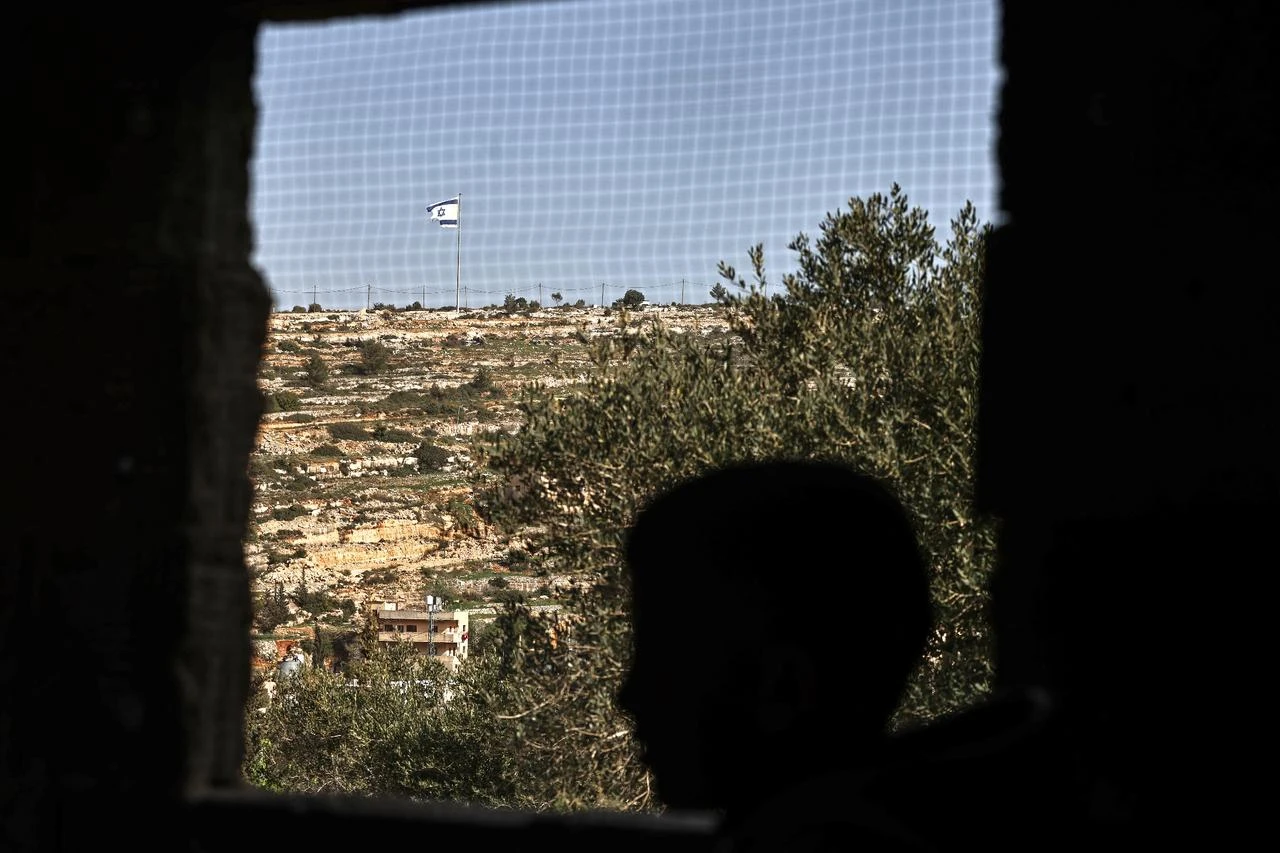
At BuildPalestine, we believe firmly that those who are closest to community problems are the best ones to solve them. In a time when Palestine is enduring catastrophe – from genocide in Gaza to rising settler violence and continuous land theft in the West Bank – we need our local leaders more than ever. In a world where institutional leadership has failed us – whether in politics or humanitarian aid – local leadership is not just important, it is urgent.
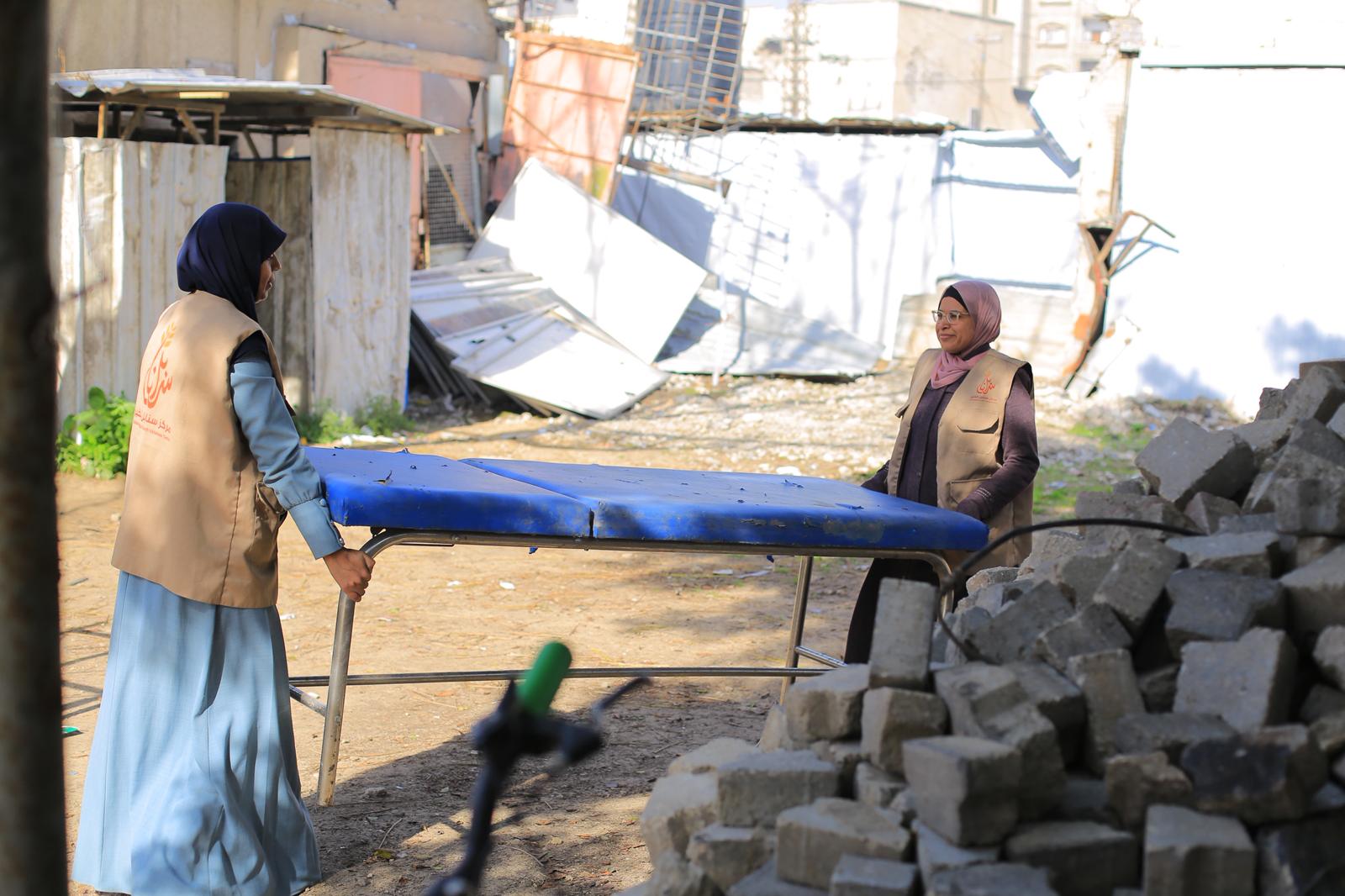
And that’s where Sumud “resilience” comes in. These Root Fellows embody Palestinian steadfastness by refusing despair and choosing action. They are preserving Palestine’s culinary heritage amidst famine and erasure, equipping youth with the necessary skills for using innovation in design, digital media, and entrepreneurship in a time of soaring unemployment, running eco-farms that restore and protect Palestine’s natural resources. Each of their initiatives is a declaration: we will endure, we will build, and we will lead.
The graduating cohort of Root Fellows reminds us that Palestinian sumud is not only about survival, but about vision, creativity, and determination to shape a just future.
For us at BuildPalestine, our Fellows give us a reason to wake up every day and get to work, even when the world around us crumbles. They remind us that Palestinians, at their cores, are builders and protectors of our collective future.
In the words of Manar Jawabreh, BuildPalestine’s Root Program Coordinator, “Especially in these critical times for our existence as Palestinians, living under constant injustice, the work of these social enterprises isn’t just meaningful—it’s necessary. Seeing them face challenges head-on pushes all of us to act. Every training and coaching session with the fellows, witnessing their resilience and dedication, inspires me to keep pushing forward.”
Let’s take a closer look at what Sumud looks like in practice.
Presenting the 2025 graduating cohort of the Root Fellowship:
Dagon: turning stolen recipes into acts of resistance, from forgotten kitchens to living heritage.
“Our food is more than just flavor; it is our history, our identity, and our resistance. Every meal at Dagon is an act of cultural preservation.” — Jinan Sawahreh, founder of Dagon
Dagon is a social enterprise founded by Palestinian entrepreneur Jinan Sawahreh. From the heart of Jerusalem, where Palestinians see their culinary heritage stolen and restaurants opened in occupied homes and buildings, often presented as “biblical cuisine,” Dagon was born to preserve and share the authentic culinary heritage of Palestine.. Through a series of interactive cooking experiences, workshops, and educational initiatives, Dagon offers an immersive journey into the heart of Palestinian culture, grounded in the food that has sustained generations. By supporting local farmers, artisans, and the sustainable practices that have defined Palestinian cuisine, Dagon aims to bridge cultural divides and restore pride in Palestinian identity through the celebration of food.
MKNA: from classrooms without resources to launchpads of innovation, turning obstacles into fuel for change
“Resilience isn’t just about overcoming obstacles. It’s about using those obstacles to fuel your purpose and create real change.” – Israa Othman
MKNA is a social enterprise founded by Israa Othman to provide accessible, hands-on STEM education for Palestinian youth. One of the key challenges that inspired its creation was Israa’s experience working with students in marginalized areas, where she witnessed the large gap in access to engaging, applied, and integrated learning opportunities. MKNA offers locally designed content, practical tools, and applied training that link learning to real-life challenges. By using local resources and promoting problem-solving skills, it empowers students to gain practical knowledge, become self-reliant, and actively contribute to their communities.
Baladna: from silenced youth to fearless leaders, turning erasure into empowerment
“Empowerment is not just about providing resources; it’s about building trust, creating a platform, and giving young people the freedom to dream.” – Nida Nassar
Baladna – the Arab Youth Association – is an independent Palestinian youth organization active locally across social, political, cultural, and educational fields. Founded in 2001 by Palestinian youth from within the 1948 territories in response to the Second Intifada, it was created to resist attempts to erase Palestinian identity among young people. Led by Nidaa Nassar, Baladna engages thousands of youth annually through political awareness workshops, volunteering, community initiatives, and research-based educational programs, while also supporting at-risk youth and strengthening leadership and civic participation.
Qitaf Environmental Collaborative: turning abandoned land into classrooms of resilience, from neglected soil to green resistance
“Our gardens aren’t just green spaces—they are classrooms, community centers, and acts of resistance.” – Mohammed Abu Fardeh
Qitaf Environmental Collaborative is a Palestinian youth-led initiative based in Dura, Hebron, that transforms abandoned or marginalized land into educational gardens and eco-production spaces. Founded in 2023, Qitaf offers environmental training, empowers young people and women through sustainable agriculture, and creates local green products using recycled materials. Qitaf envisions becoming a licensed environmental education center and a model of community resilience and climate action in Palestine.
Arab Women Entrepreneurs: from overlooked voices to builders of civilizations, turning barriers into bridges of opportunity.
“Our vision stems from a deep belief that civilizations are built on the shoulders of women.” – Doaa Harish
The Arab Women Entrepreneurs Association (AWE) is a social enterprise founded in 2021 by Palestinian lawyer and community leader Doa Harish to empower Arab women to become economic and social change-makers. Rooted in Nazareth and working across Palestine and the Arab world, AWE provides women with access to entrepreneurial training, skills development, mentorship, and a supportive network of peers and partners.
Fada: turning pain into theater, from hidden wounds to collective healing
“The person who contributes value to society will find peace in return.” – Tarteel An-Natsheh
Co-founded by Palestinian social entrepreneur Tarteel An-Natsheh, Fada is a social enterprise dedicated to improving mental health, particularly among Palestinian youth and women. Through workshops focused on drama, theater, and community-building, Fada provides a safe space for children to express their emotions and build resilience. In a region marked by occupation and social challenges, Fada aims to address the mental health needs of Palestinians by offering accessible, community-driven programs that foster healing, connection, and personal growth.
Nabat Eco Farm: from neglected fields to thriving ecosystems, turning ancestral farming into living resilience
Nabat Eco Farm is a thriving permaculture hub where neglected land is transformed into lush, purposeful green spaces. At Nabat, traditional Palestinian farming practices are kept alive—not as nostalgia, but as practical, living methods that guide the farm’s design and ecosystem. Every plant, soil patch, and water source has a role, creating a resilient environment that adapts to seasonal and climate changes. The farm mixes these practices with sustainable methods, making it a living, breathing ecosystem that nurtures both the land and the people. It’s also a space to learn, connect, and get inspired, where students, researchers, and visitors can reconnect with the land—and with themselves. Our fellow Haytham critically contributes to this vision, helping Nabat bring communities closer to nature and resilience.
Make your solidarity actionable by supporting Palestinian changemakers:
As these social entrepreneurs continue their journeys as leaders and BuildPalestine Fellows, we call on our community to join us in building a vibrant Palestinian future. Register your skills, experience and motivation via our Solidarity Opportunity form and we will match you to a Fellow in our community.
Did you find this resource valuable?
Your support keeps us going and helps us to continue providing trusted resources on how can you support Palestine. To support BuildPalestine, become a member here.