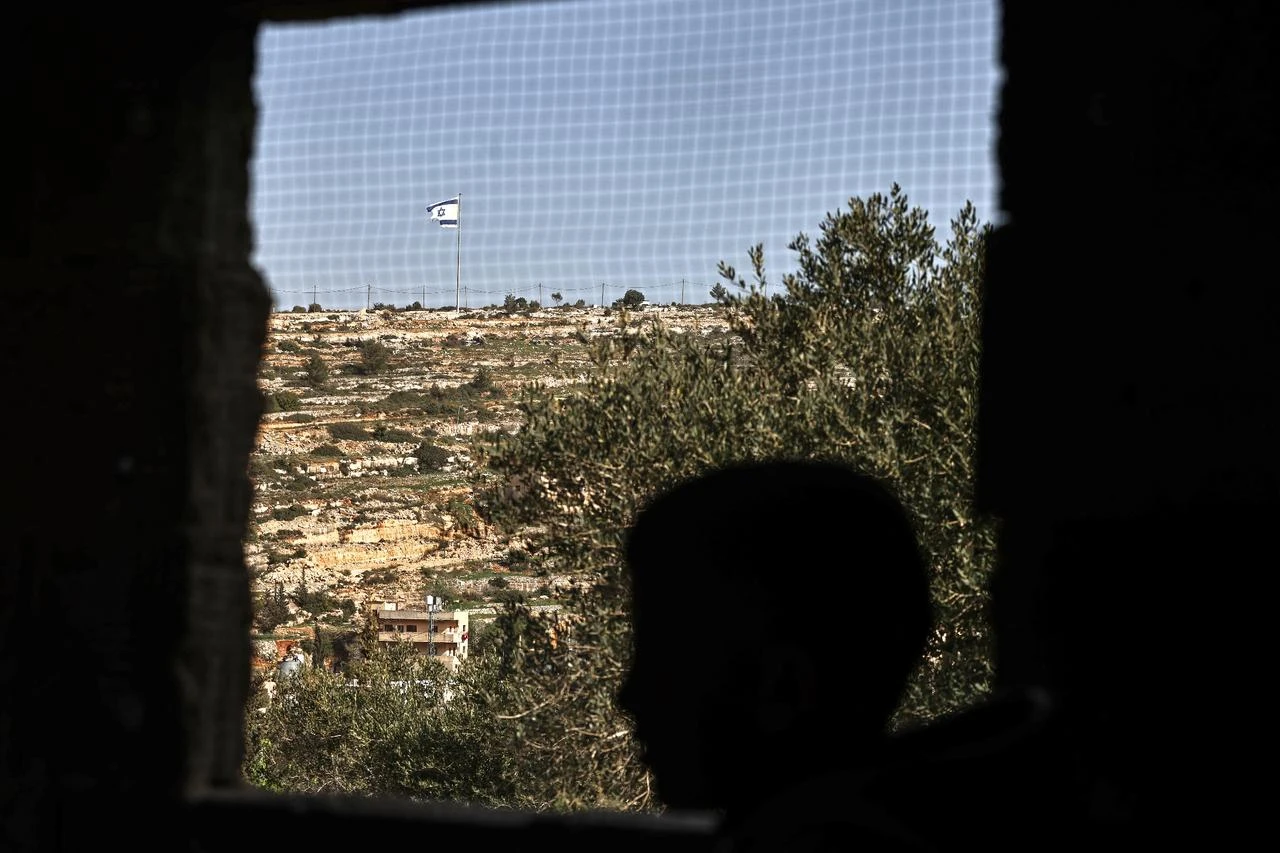
Settler attacks in the West Bank are up 63% this year — the fastest pace on record. For us, that number isn’t abstract. It’s checking on family before bed. It’s hearing a village name on the news and immediately thinking of who you know there. It’s wasting hours of your daily life on a checkpoint.
Just last month, settlers attacked the village of Tell, south of Nablus. Four Palestinians who stepped in to defend their land were killed. Three days earlier, settlers seized a Palestinian-owned water cistern in Masafer Yatta, cutting off around 90 people from their own water. Movement across the West Bank now runs through roughly 925 checkpoints and roadblocks that can open, close, or move without warning — the difference between making it to a hospital in time or not.
This month — Israel’s occupation Minister said publicly that West Bank villages should be treated like Beit Hanoun, a Gazan town leveled to rubble.
This is the ground Palestinian enterprises are standing on. Not a backdrop — the daily, active condition of doing their work.
Our mission at BuildPalestine centers around supporting and uplifting those Palestinian enterprises, for nearly a decade now, through our fellowship program that provides knowledge, connections and funds. We do this work because we believe a liberated Palestinian future will be built by our Palestinian changemakers.
Below are 5 Palestinian Social enterprises and the exact forces they’re building against:
Cutting a Tree Erases a Century of Proof:
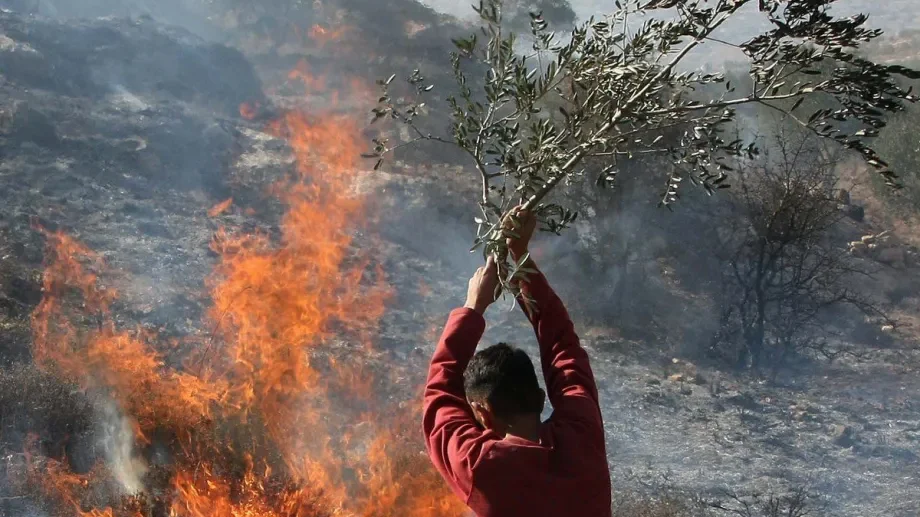
Since 1967, an estimated 800,000 to 830,000 Palestinian olive trees have been uprooted or destroyed by the Israeli occupation and settlers in the West Bank. Olive trees can live for hundreds of years — they’re physical, generational proof of Palestinian presence and continuous cultivation of the land. Cutting them down is a way of clearing that proof so the land can later be declared unused, and taken.
Want more stories like this – Palestinian enterprises building against erasure? Subscribe to our Newsletter
Nabat Eco Farm Is Growing What They Cut Down
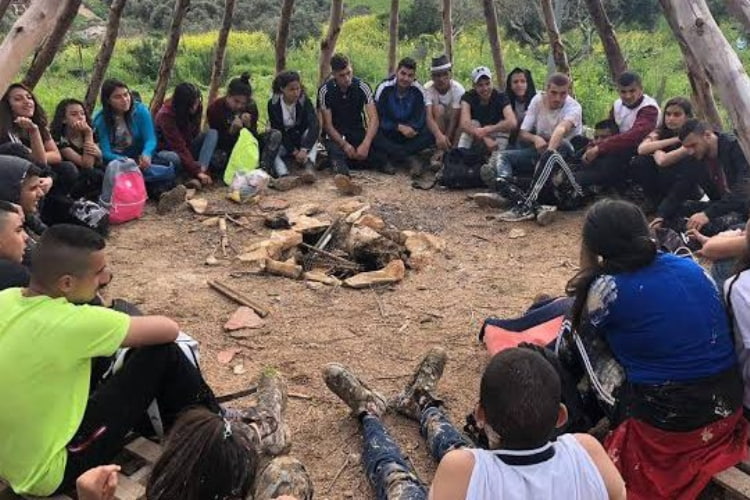
Nabat Eco Farm is a permaculture hub where neglected land is turned into lush, purposeful green space. Traditional Palestinian farming practices aren’t kept alive as nostalgia — they guide the farm’s actual design, with every plant, soil patch, and water source given a role in a system built to adapt to seasonal and climate change. It’s also a place to learn: students, researchers, and visitors come to reconnect with the land, and with themselves.
How Checkpoints Control Daily Palestinian Life
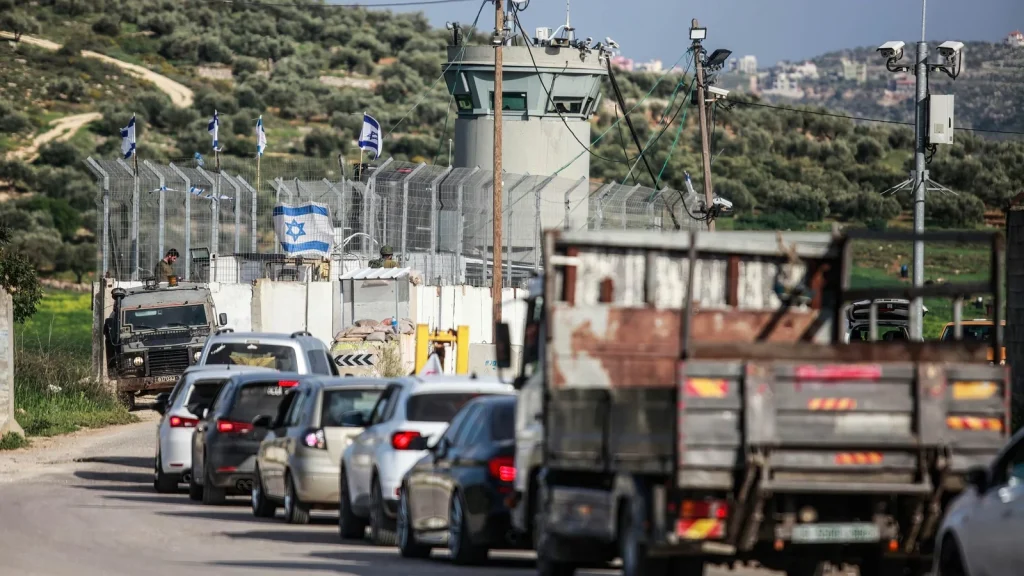
Roughly 925 checkpoints and roadblocks restrict movement across the West Bank, opening, closing, and shifting locations without warning. A closed checkpoint isn’t just a delay, it can mean a missed surgery, a missed exam and even a missed birth.
When the Occupation Controls the Roads, Palestinians Built a Way to Know
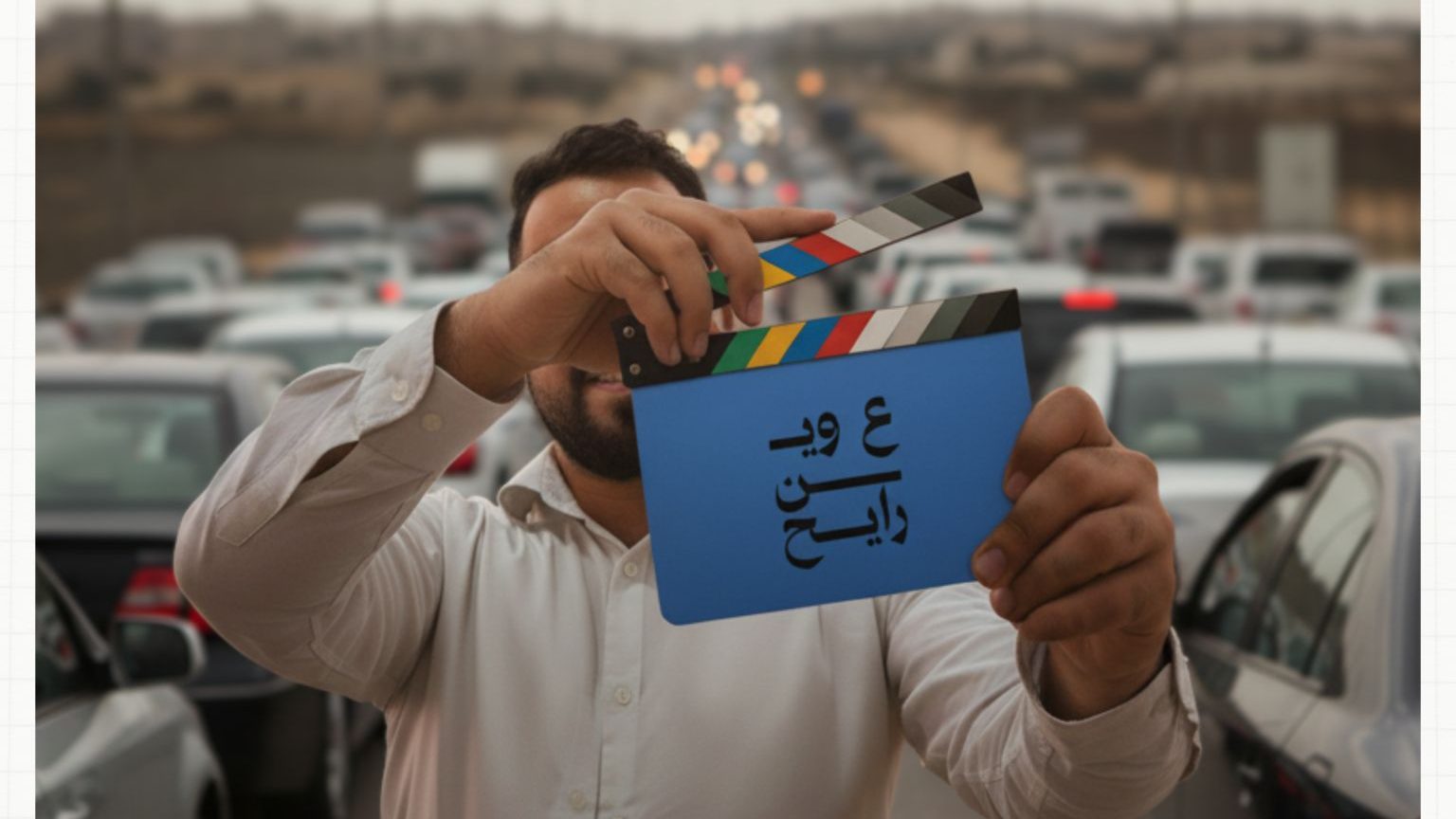
3a Wein Rayeh (ع وين رايح) (not a BuildPalestine fellow) crowdsources real-time checkpoint status directly from the people using the roads — open, closed, jammed, dangerous — so families know before they leave the house whether the route to the hospital, school, or next village is passable.
In its first year, the app has been used for over a million visits, reaching more than 200,000 unique users and 40,000 monthly active users, with a 4.8/5 rating across both app stores and #1 rankings on Google Play and the App Store — all with zero marketing budget and no institutional support inside Palestine. Two Palestinians built it themselves, and hundreds of thousands of people now depend on it every day.
Water as a Weapon: Decades of Dispossession
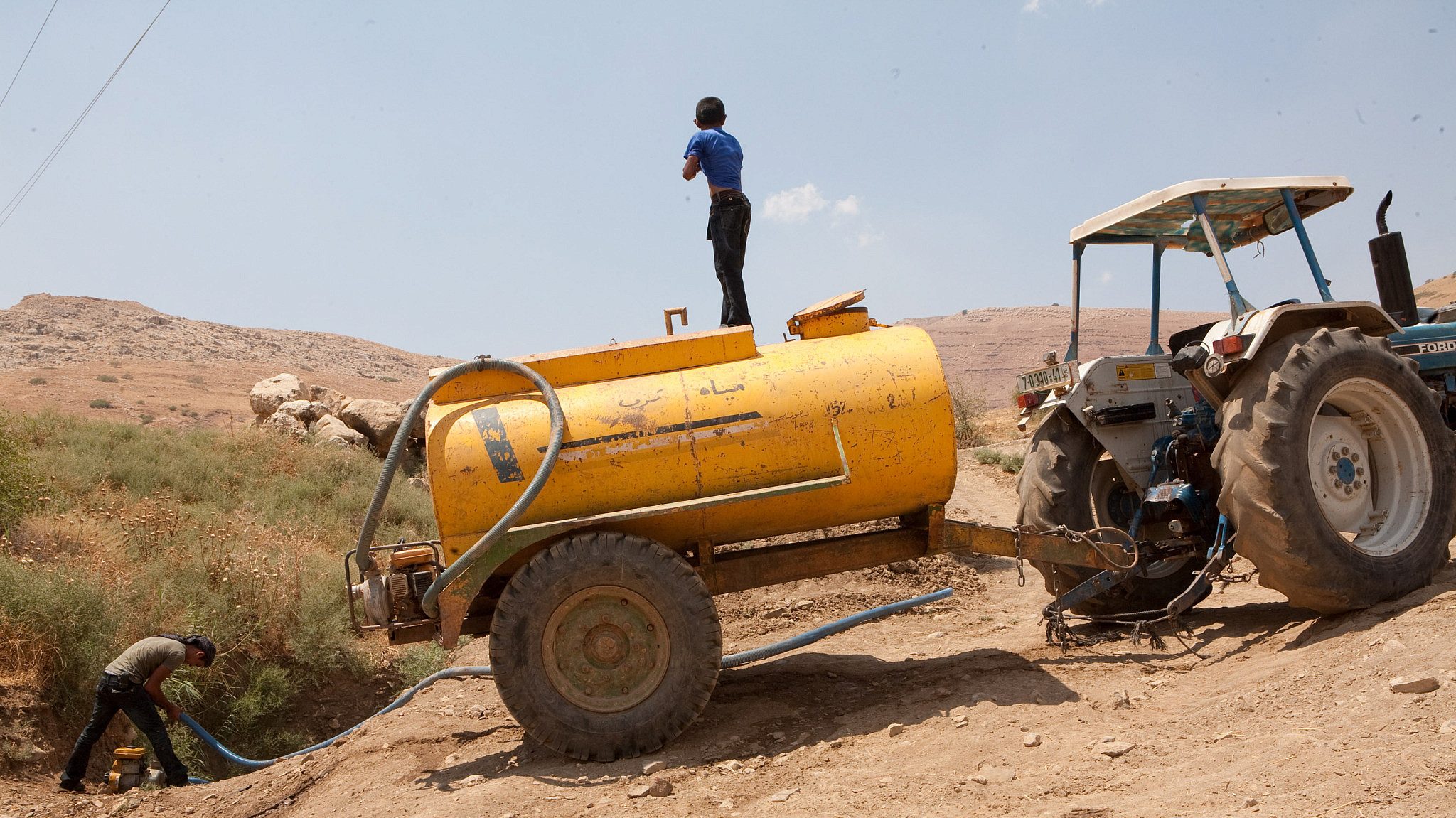
Water has been a tool of dispossession in the West Bank for decades, and the attacks on it have escalated this year. More than 190 water, sanitation, and irrigation structures have been damaged or destroyed since January — pipelines cut, wells sealed, tanks smashed — including a community cistern in Masafer Yatta, seized outright by settlers on July 21.
Flowless Is Saving Every Drop the Occupation Tries to Take
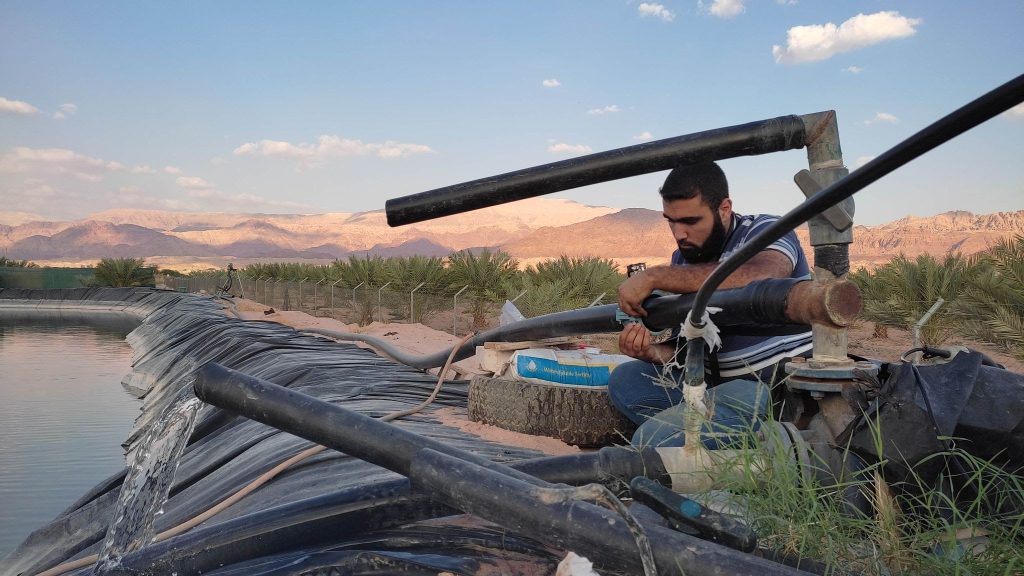
Flowless, Flowless uses IoT and AI to help farmers and water utilities detect leaks and cut losses in real time. In Salfeet, its system is helping the municipality save an average of 10 million liters of water monthly — critical in a country where water losses cost an estimated $45 million every year. Today Flowless works with communities across Palestine, Jordan, and beyond — infrastructure Palestinians are building for themselves, for a resource under direct and escalating attack.
When History Itself Becomes a Target
Palestinian heritage sites and tourism routes across the West Bank are increasingly caught in the same pattern of seizure — access restricted, land confiscated, sites cut off from the very communities whose history they hold. Sebastia is the latest example: an archaeological site near Nablus that UNESCO just listed as endangered, days after Israeli occupational authorities moved to confiscate roughly 180 hectares of land around it.
Reclaiming Ramallah’s Story
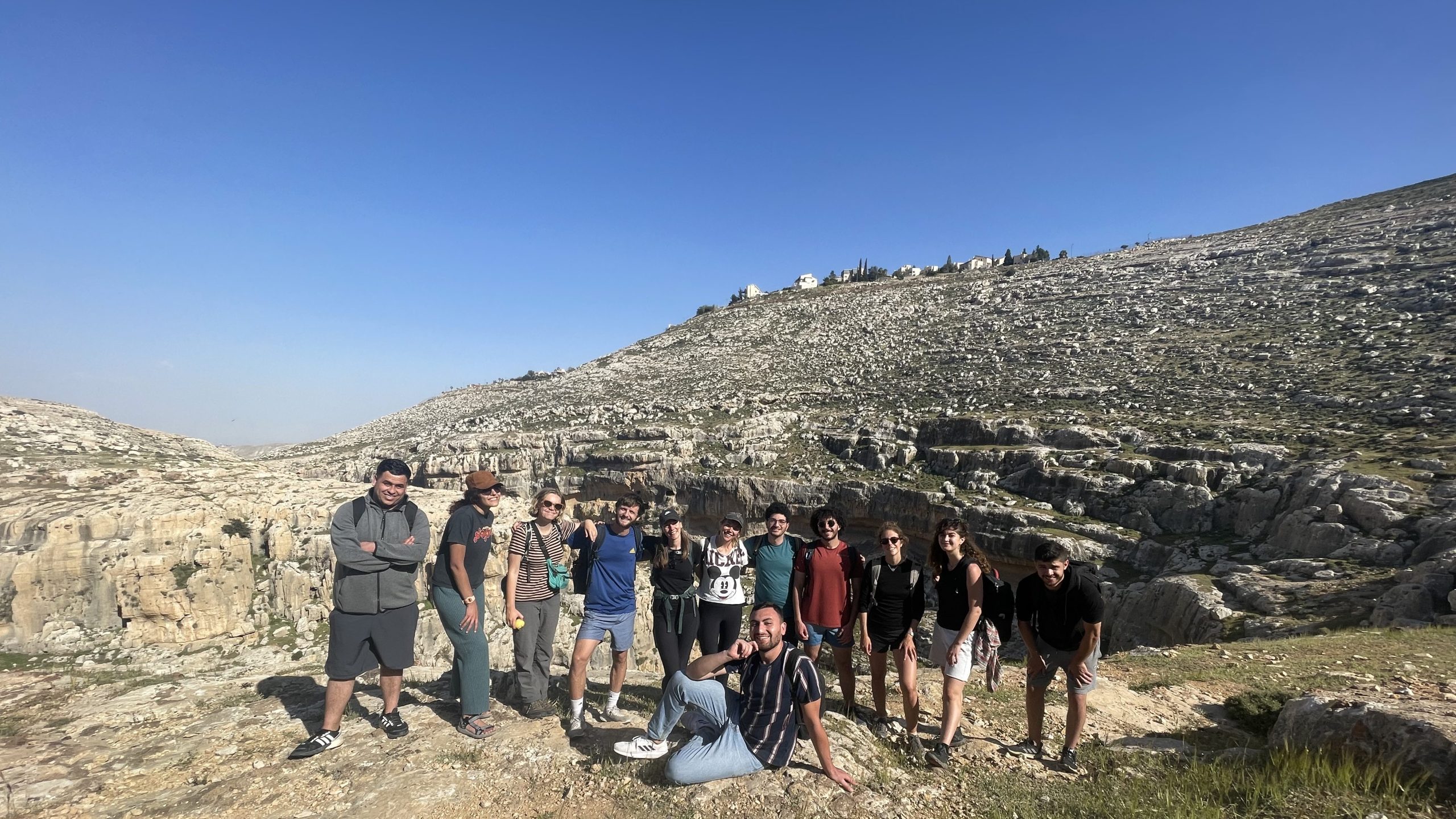
Ramallah Unlocked is reimagining what it means to visit a Palestinian city, and who gets to tell its story. Through daily cultural tours, a live events platform, and direct partnerships with local artists, shop owners, and cultural initiatives, it connects visitors with the living culture of Ramallah — not its monuments.
Over 1,000 visitors from 100+ countries, 300+ tours, 300+ local businesses linked into its routes, 500 Palestinian artists promoted.
Book a tour or follow Ramallah Unlocked
When Tatreez Gets Rebranded as Someone Else’s
Tatreez — traditional Palestinian embroidery — has been practiced for generations, its patterns telling stories specific to the village, region, and even the marital status of the woman wearing it. It has also been repeatedly appropriated: in 2021, Miss Universe contestants wore tatreez-embroidered thobes at a tourism-promotion event in Israel, sparking accusations that Israel was presenting Palestinian craftsmanship as its own. (Middle East Eye, 2021) Weeks later, UNESCO added Palestinian embroidery to its Intangible Cultural Heritage list — a recognition Palestine’s culture minister called confirmation that the occupying power has no right to steal Palestinian heritage. Beyond appropriation, the craft’s economic potential is often constrained by gaps in design skills, sustainability practices, and material quality, limiting Palestinian artisans’ competitiveness in global markets.
Carrying Every Stitch Forward
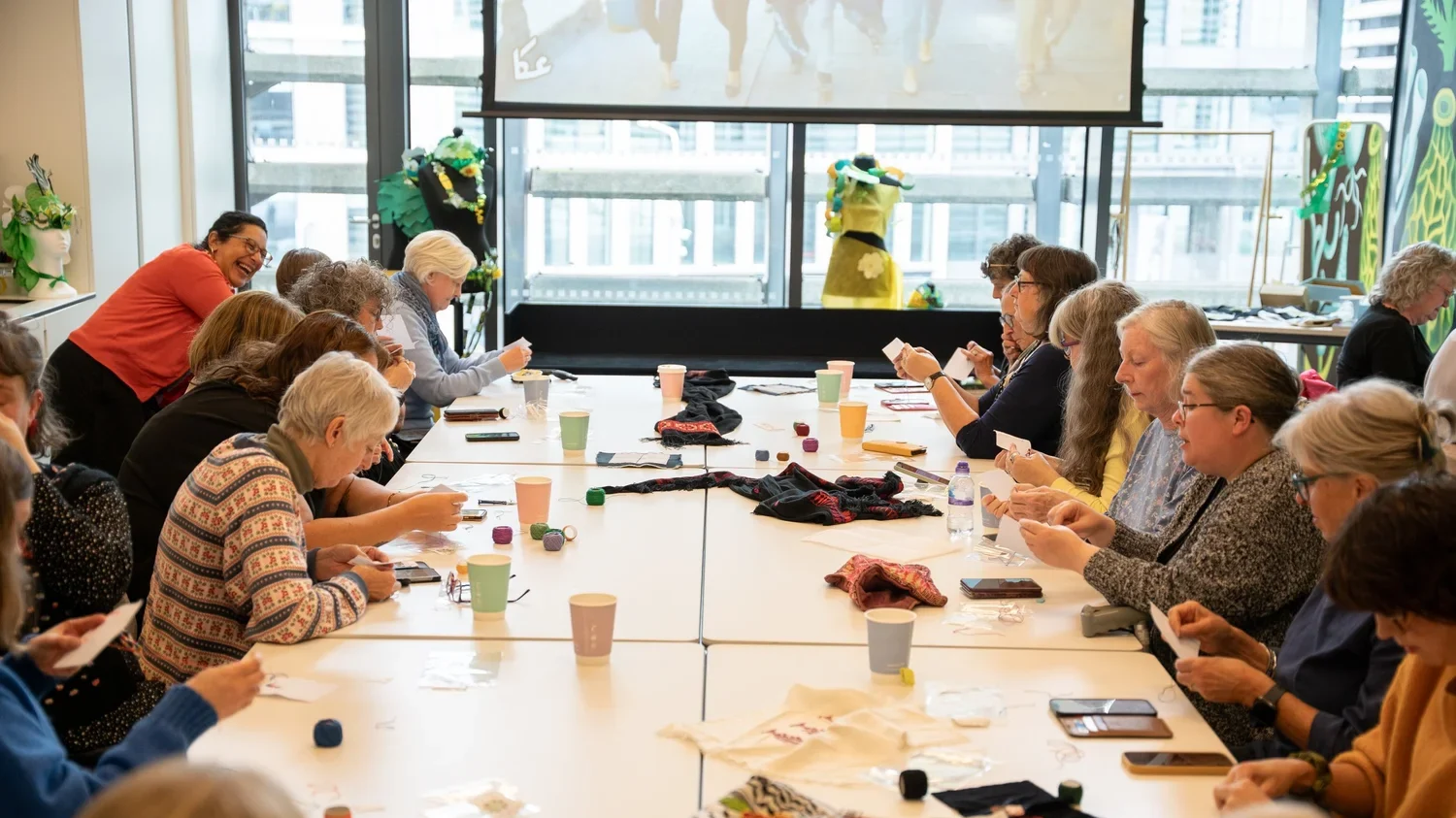
Tatreez Collective works directly with artisans to combine traditional tatreez with training in design, materials, and sustainable production, connecting their work to international audiences through storytelling, research, and ethical market access. By positioning Palestinian crafts around quality rather than charity, the Collective creates dignified income for artisans, strengthens the global presence of Palestinian craftsmanship, and supports the preservation and evolution of cultural heritage through sustainable, market-driven growth.
This Is Sumud صمود — And This Is What We Believe
There’s a hadith by the Prophet Mohammed, peace be upon him, that BuildPalestine’s team returns to often: if the Day of Judgment comes and you have a seed in your hand, plant it. It isn’t a metaphor about optimism. It’s a directive of continuation — the belief that planting, feeding, growing, educating, building, and preserving is itself the antidote to erasure.
This is sumud صمود : not passive endurance, but an active, intentional continuation — the choice to stay rooted with purpose.
If you believe in a future where Palestinians set their own priorities and build their own solutions, join the movement. Together, we can build an economy rooted in dignity, community, and liberation. Support BuildPalestine and Become a member