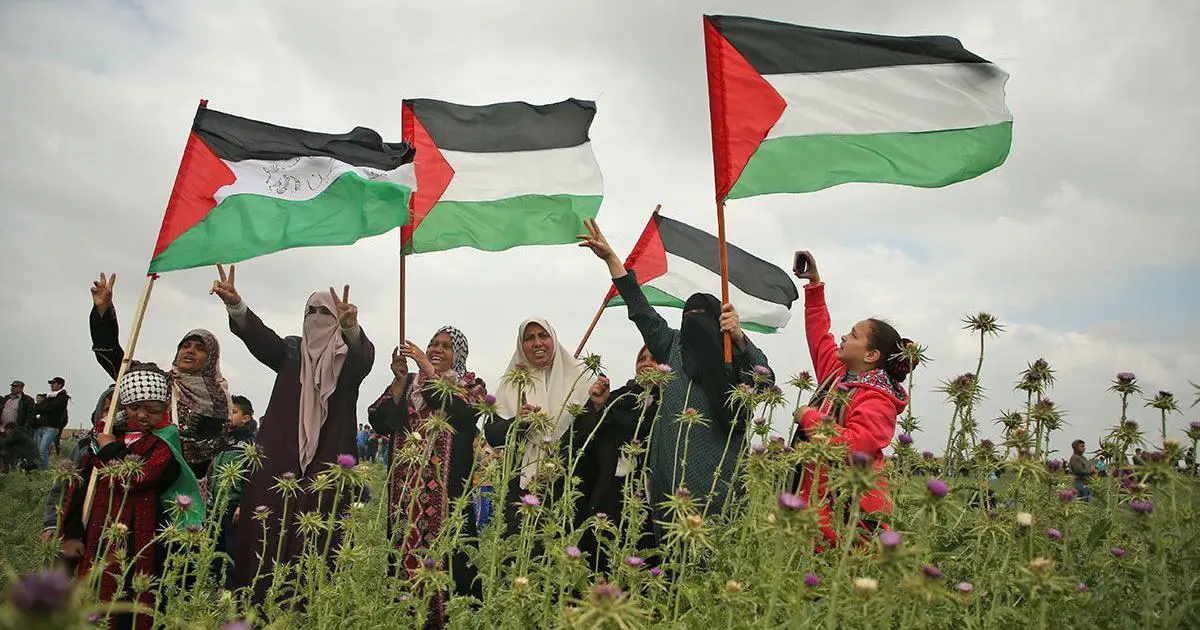
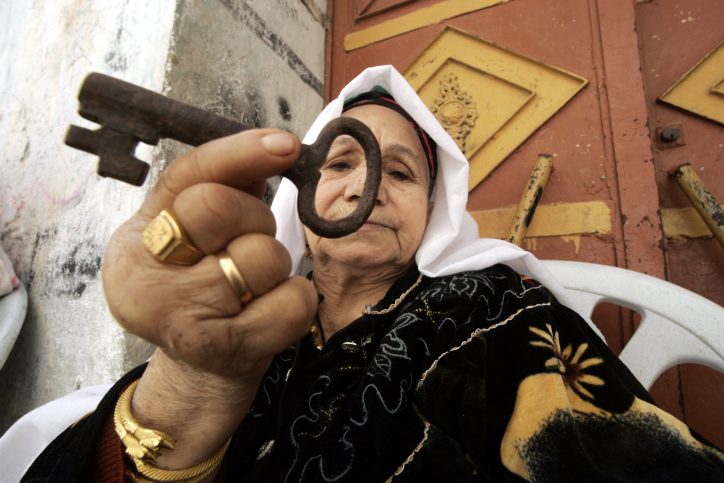
On May 15, 1948, more than 750,000 Palestinians were expelled from their homes, their villages erased from maps, their keys kept as proof of a return that was hoped for, but forced to be passed on to generations to come. We call this the Nakba — the catastrophe.
But Nakba Day is not only a commemoration of the past. The Nakba was never a single event. It was a blueprint.
It has been enacted again and again — through the genocide in Gaza that displaced nearly 2 million people, through every demolished home in the West Bank, every family severed from each other, every permit denied, every archive burned, every village name replaced with a Hebrew transliteration that erases the Arabic underneath.
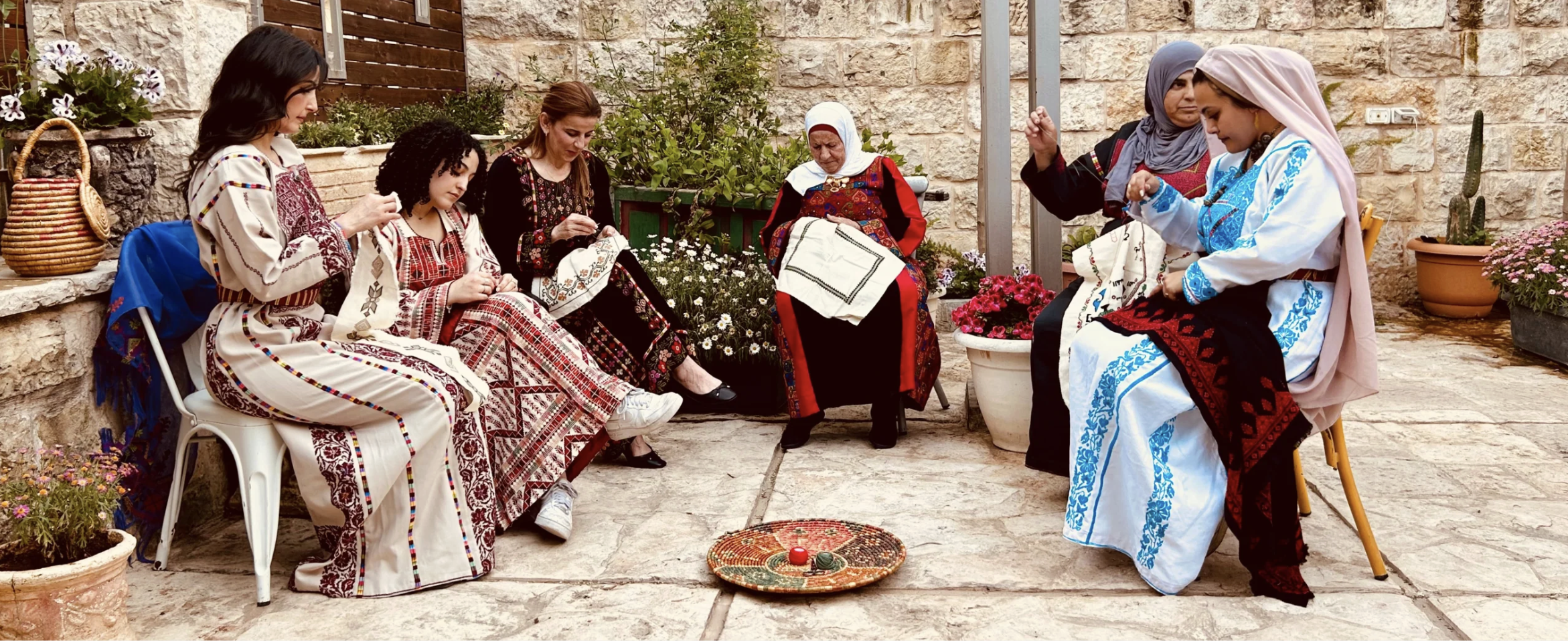
The Nakba is also the attempt to sever a people from what made them. From their food — hummus, falafel, knafeh, rebranded and sold to the world without their origins. From their land — the olive groves, the farming knowledge, the relationship between a family and its soil that took generations to build. From their children — through Israelization policies designed to erode cultural memory and political consciousness before it can fully form. From their language, their stories, their way of knowing where they come from.
When you displace a people from their roots, you are not just taking land. You are trying to take identity.
What They Cannot Uproot: Palestinian Resistance Through Building
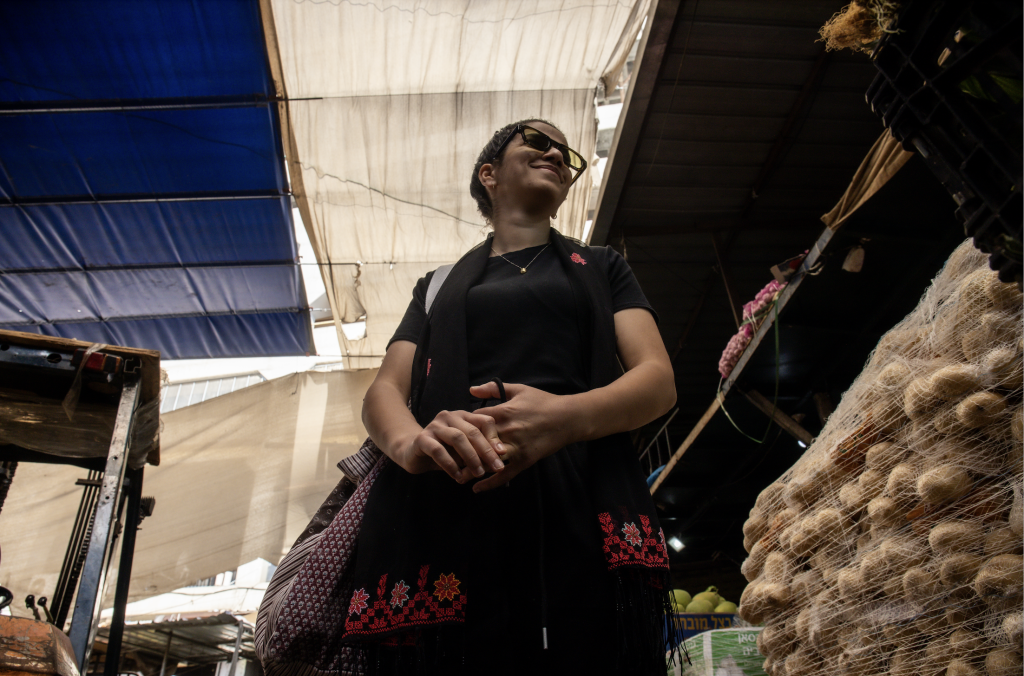
There is a hadith that BuildPalestine Executive Director Lama Amr continuously reminds the BuildPalestine team with: if the Day of Judgment comes and you have a seed in your hand, plant it.
This is not a metaphor about optimism, it is a directive of continuation. The belief that the act of planting — of feeding, growing, educating, building, preserving — is itself the antidote to erasure. You do not wait for conditions to be right. You plant because planting is an act of insisting you exist.
This is what BuildPalestine’s fellows are doing.
Palestinian Entrepreneurs Countering the Nakba
Dagon — Jerusalem: Jinan Sawahreh runs Dagon in Jerusalem — immersive dining experiences, cooking workshops, digital storytelling, and cultural publications that give Palestinians the tools to reclaim their culinary identity on their own terms. Over 650 people have passed through Dagon’s educational offerings. A quarter of them keep coming back.
Nabat Eco Farm — Tamra: Haytham Canaan runs Nabat Eco Farm in Tamra. Through their Sumud Oases program, Nabat embeds on farms across the West Bank — months at a time — planting companion crops, designing for year-round food production, working the soil until each farm is thriving and self-sustaining. Five farms transformed into Sumud Oases. Over 300 volunteers. A community reconnecting with land their grandparents knew.
MKNA Makerspace — Ramallah: Israa Othman runs MKNA Makerspace, bringing hands-on, Arabic-language STEM education to government schools whose students would otherwise never set foot in a makerspace. Over 300 students in the West Bank reached, over 1,000 more online in Gaza. The confidence to imagine and create, in a language and context that reflects Palestinian life.
Baladna — Historic Palestine: Nidaa Nassar runs Baladna — one of the only national organizations dedicated to Palestinian youth inside the ’48 territories, where deliberate Israelization policies work to erode identity and political consciousness. Cultural clubs in the Naqab and Nazareth. Research on the crisis of violence left to fester in communities with no resources and no representation. Youth who are given, as Baladna frames it, a reason to stay rooted.
Qitaf Environmental Collaborative — Dura, Hebron: Mohammed Abu Fardeh’s Qitaf transforms abandoned land into educational gardens and eco-production spaces — over 120 youth reached, eight nature trails, a growing model of community resilience built through Palestinian hands in Palestinian soil.
Arab Women Entrepreneurs — Nazareth: Doa Harish built Arab Women Entrepreneurs to create something that didn’t exist: a cross-border ecosystem where Arab women become economic and social changemakers. Over 150 women in their local community reached, over 470 students in colleges across Palestine and the Arab world.
Fada Space: Raghad Al Haymouni, Lamees Waleed, and Tarteel An Natsheh use drama and theater to create a place where Palestinian youth can process what they are living through — and find language for it when ordinary language fails.
These are not stories of survival for survival’s sake. They are stories of people who refused to let the Nakba reach the part of them that imagines.
Sumud: The Palestinian Practice of Rooted Continuation
In our 2024 Impact Report, Lama wrote that it was hard to speak about “building Palestine” while everything around us was crumbling. In 2025, she wrote that they found their answer.
It came in a sentence they heard from fellows more than once: “If I hadn’t joined BuildPalestine’s fellowship, I don’t think I would have continued with my enterprise.”
When people are living in survival mode, impact looks different. It is no longer only about scale or growth. It becomes a more fundamental question: can a person continue? Can they keep serving? Can they remain rooted — not just to survive, but to keep imagining and building a future worth staying for?
Sumud is not passive endurance. Not simply holding on. It is an active, intentional continuation — the choice to stay rooted with purpose, even — especially — when the forces against you want you gone.
BuildPalestine’s 2025 Impact Report: Building Palestinian Agency
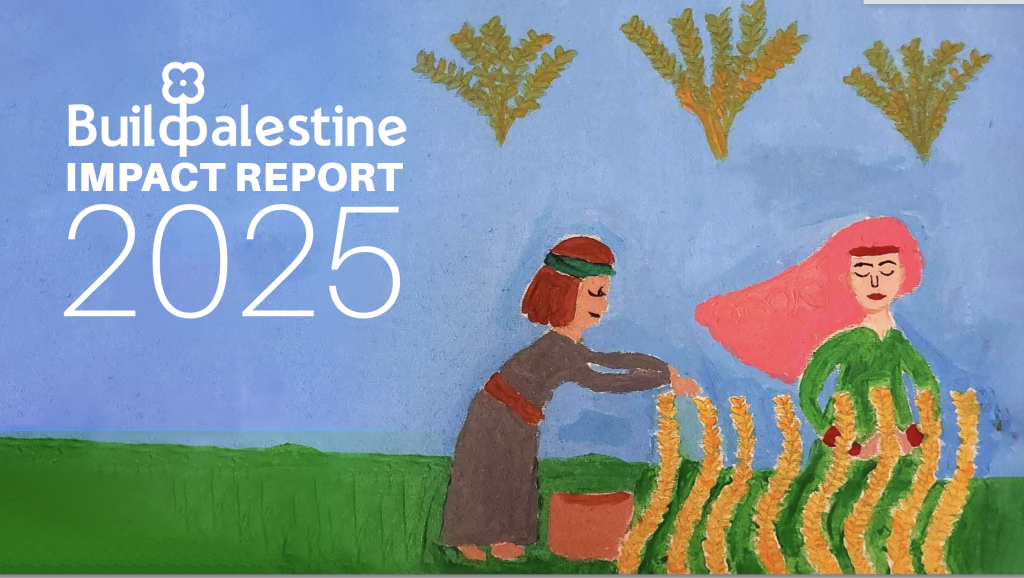
In 2025, BuildPalestine supported seven Root Fellows across historic Palestine, helping them move from passion-driven efforts into structured, sustainable models. Three Rise enterprises received tailored grants and technical support. The Nourishing Hope for Gaza initiative channeled direct support to locally led work in Gaza through a growing Champions Network. The Falafel Theory Innovation Program ran — in the middle of a genocide — with participants mostly from Gaza, designing and building because that is what Palestinians do.
Across all of it, one truth sharpened: Palestinian agency is not a nice-to-have. It is the only serious foundation for a liberated future.
BuildPalestine’s model is built around this — not charity, not dependency, but the conditions changemakers actually need: funds, knowledge, and connections delivered in ways that protect their agency, their vision, their rootedness.
On Nakba Day, we remember that the catastrophe was always about more than land. It was about whether a people and their way of life could be made to vanish.
The answer is in every cooking workshop that teaches a Palestinian dish before it disappears. In every farm turned into a Sumud Oasis. In every government school kid who picks up a STEM kit and starts to imagine. In every young woman in Nazareth who learns she can build something. In every child who steps into a theater workshop and finds words for what she is carrying.
The answer is: no. We are still here. Still planting. Still building.
Read the full 2025 BuildPalestine Impact ReportDid you find this resource valuable?
Your support keeps us going and helps us to continue providing trusted resources on how can you support Palestine. To support BuildPalestine, become a member here.