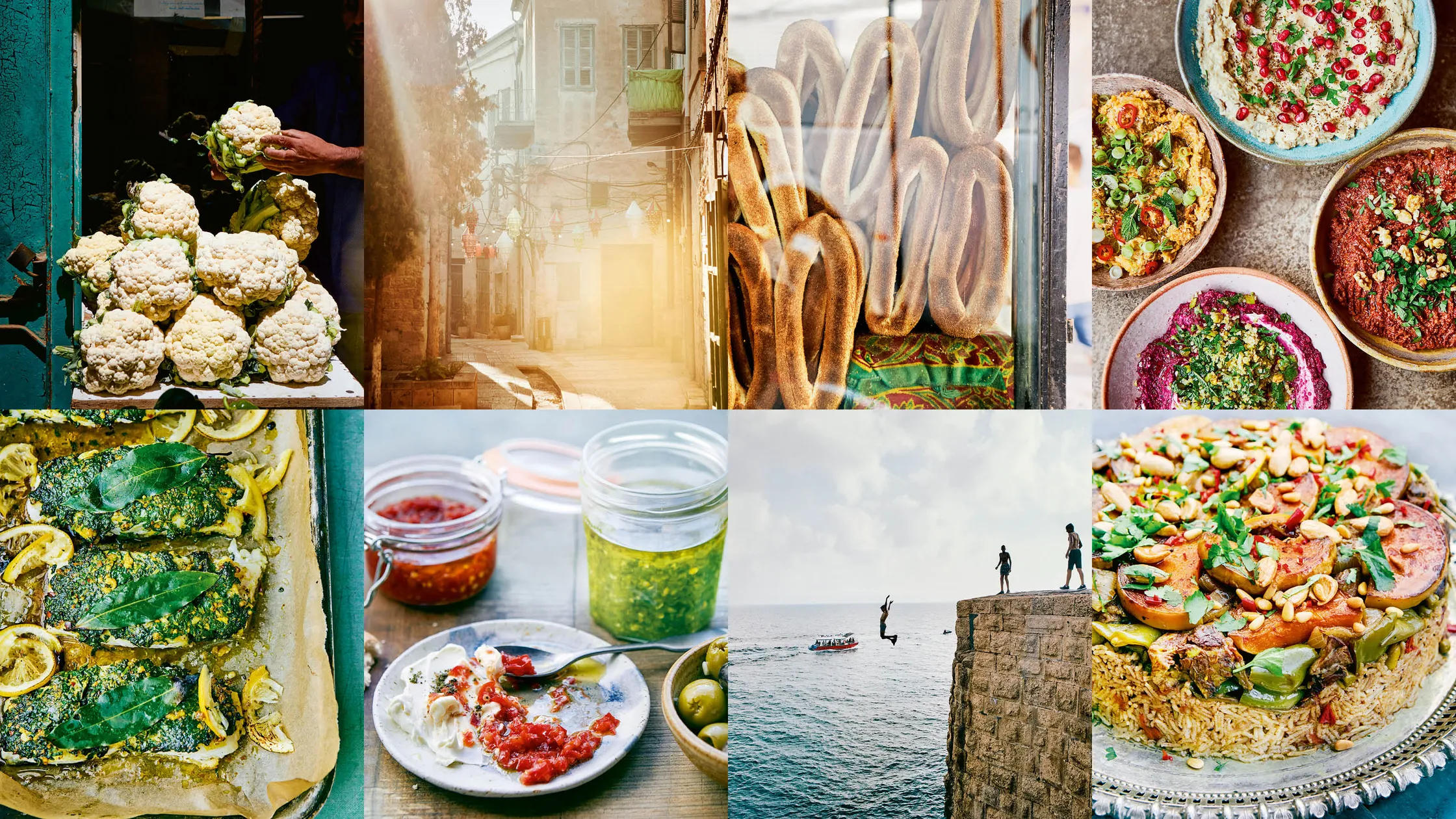
Photography © Jenny Zarins 2020; Falastin, published by Penguin Random House
How Social Enterprises Like Dagon Preserve Palestine’s Culinary Heritage
In Palestinian markets, jars of za’atar, tahini, olives, and sumac fill the shelves. These foods have been rooted in Palestinian land and kitchens for generations. Yet for many Palestinians, especially those living inside the 48 land, these same foods often appear labeled in Hebrew and are marketed as Israeli.
“Growing up, I was taught that many everyday ingredients were Palestinian,” says Jinan Sawahreh, a Palestinian from Jerusalem and founder of the culinary social enterprise Dagon. “But when I saw them in supermarkets, they were labeled in Hebrew as products of Israel.” That contradiction shaped her relationship with food early in life.
“From a young age, this created a sense of confusion within me,” she explains. “How could we talk about these foods with pride, while watching them being stolen and sold as Israeli?”
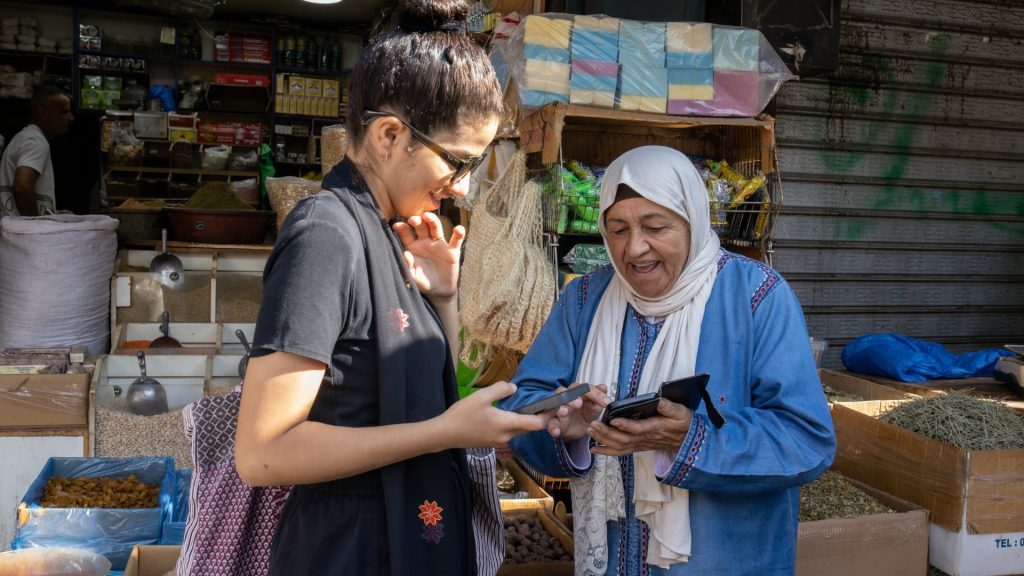
Through Dagon, Jinan reclaimed that narrative. Her work reconnects Palestinian ingredients, recipes, and culinary knowledge to the people and land from which they originate, restoring a relationship that colonization has attempted to sever.
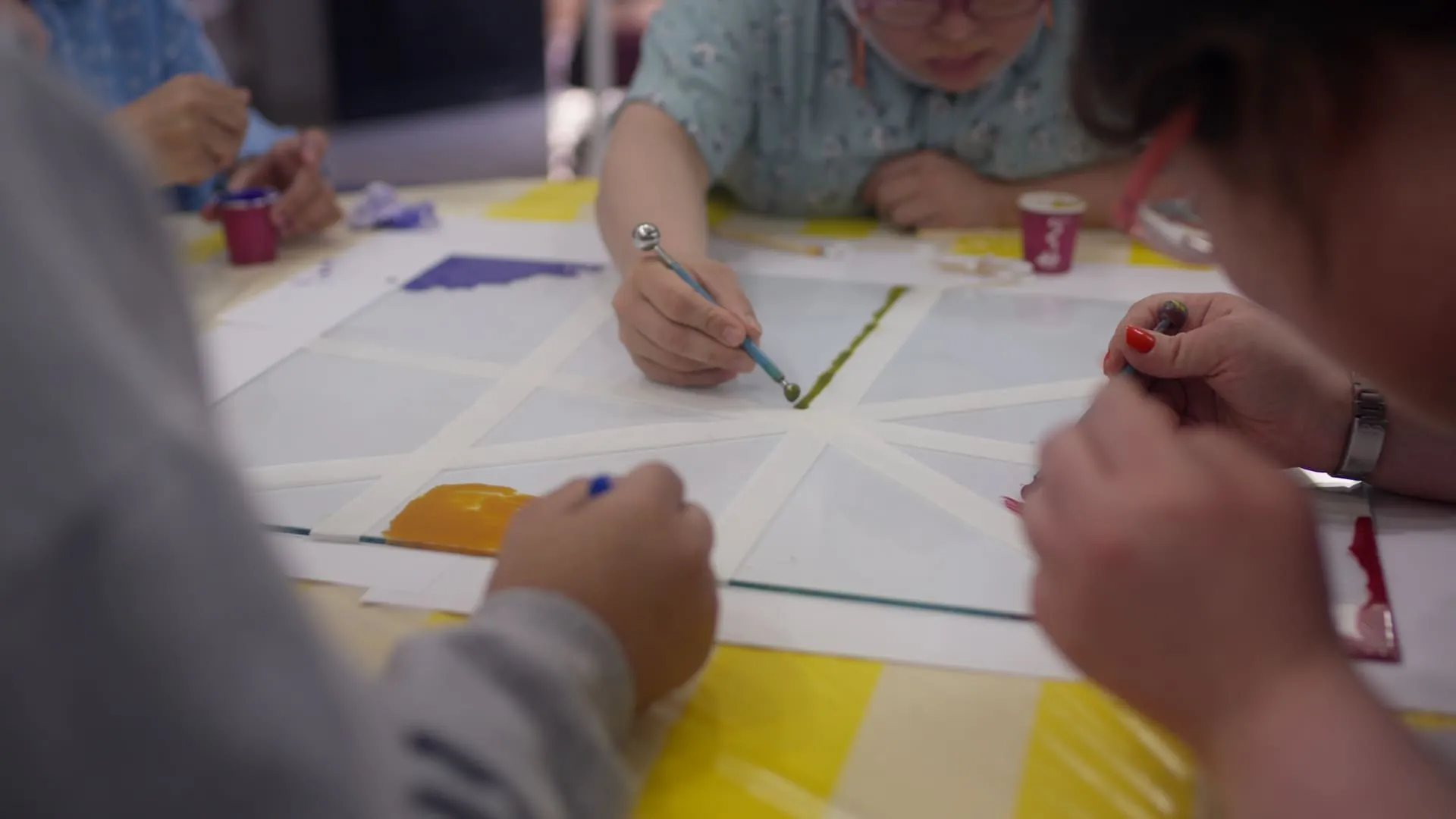
Dagon preserves culinary heritage through immersive cooking experiences, storytelling, and partnerships with local farmers and producers, teaching recipes alongside their agricultural and regional context so food is understood as a living ecosystem, not a detached product.
“For Palestinians, identity and connection to land require going back to it,” Jinan says. “My grandmother always told me: the land belongs to those who work it with their hands.”
At BuildPalestine, we support social enterprises like Dagon because culinary heritage is more than culture—it is economic infrastructure, historical memory, and a form of self-determination. When Palestinian food traditions are practiced and valued, they sustain agricultural value chains, transmit memory across generations, and build local economic resilience. These are foundations of Palestinian sumud and liberation.
This Ramadan, we invite you into the Palestinian kitchen with traditional recipes and Palestinian-grown ingredients – and with gratitude for Dagon in ensuring Palestinian cuisine is not only remembered, but lived, protected, and claimed.
20 Traditional Palestinian Dishes to Try This Ramadan:
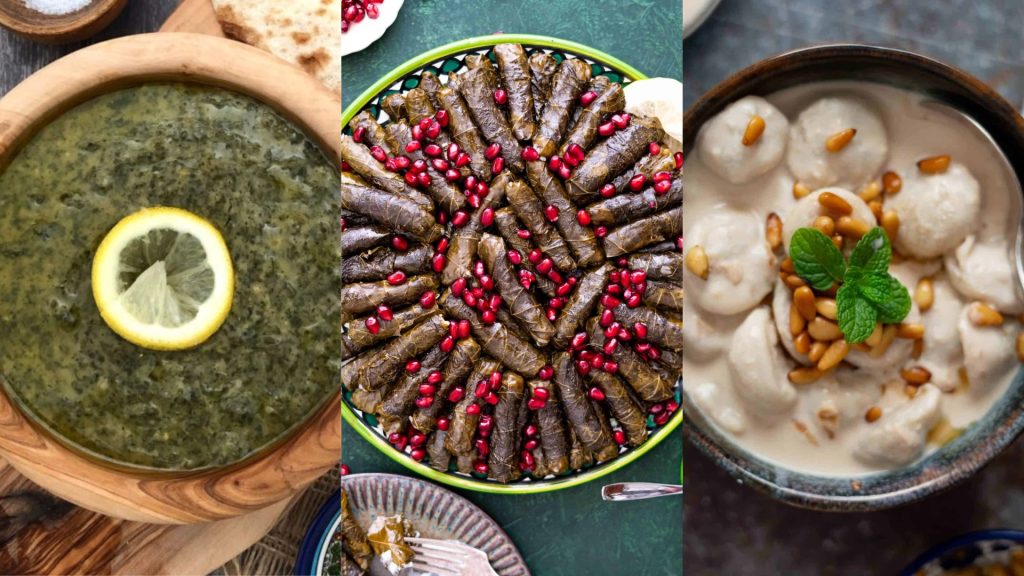
These are everyday dishes shaped by season, harvest, and rural life, meals our grandmothers cooked instinctively, without written recipes, using what the land provided. As displacement, urbanization, and changing food systems reshaped Palestinian life, some of these recipes faded from daily cooking.
Dagon works to document and revive these foods, reconnecting Palestinians with dishes tied to specific regions and pre-Nakba village traditions. Remembering them is not only culinary nostalgia. It is an act of cultural restoration. The list begins with lesser-known but fantastically delicious Palestinian dishes.
- Rummaniyyeh (رمّانية): A lentil and eggplant stew from Gaza flavored with pomegranate molasses, reflecting the region’s historic cultivation of pomegranates and legumes. Its distinctive sweet-sour depth embodies coastal southern Palestinian cuisine.
- Bissara (بصّارة): A fava bean and herb dish traditionally eaten by farmers and rural communities, valued for its nourishment and affordability. It represents agrarian diets built around legumes, olive oil, and seasonal greens.
- Lakhna (لخنة): Kale or collard leaves stuffed with spiced rice and meat prepared in village households using fresh produce, embodying everyday subsistence cooking shaped by agricultural cycles.
- Jareesh (جريشة): Cracked wheat cooked into a soft porridge-like dish with yogurt or broth, rooted in ancient grain processing traditions and pastoral foodways across rural Palestine.
- Safeeha Yafawiya (صفيحة يافاوية): A coastal flatbread from Jaffa topped with spiced meat and tomatoes, reflecting the port city’s historic trade routes and urban Palestinian baking traditions before 1948.
- Makmoura (مكمورة): A layered cauliflower and onion dish baked with bread and olive oil, associated with northern and central Palestinian villages. It reflects seasonal vegetable cooking and communal oven preparation practices.
- Maqlubeh (مقلوبة): A layered rice dish with vegetables and meat flipped before serving, symbolizing generosity and communal gathering.
- Musakhan (مسخن): Roasted chicken with sumac, caramelized onions, and olive oil on taboon bread, deeply tied to the olive harvest season.
- Freekeh Soup (شوربة فريكة): A nourishing soup made from roasted green wheat, reflecting ancient grain cultivation traditions.
- Qidreh (قدرة): A slow-cooked Hebron dish of rice, chickpeas, and meat traditionally prepared in clay pots.
- Maftoul (مفتول): Hand-rolled Palestinian couscous made through labor-intensive communal preparation led historically by women.
- Waraq Dawali (ورق دوالي): Stuffed grape leaves prepared in large family batches, reflecting seasonal harvest and shared labor.
- Shish Barak (شيش برك): Small dumplings in yogurt sauce, representing pastoral dairy traditions in Palestinian cuisine.
- Mujaddara with Bulgur مجدرة مع برغل Lentils and bulgur with caramelized onions, a humble dish rooted in agrarian foodways.
- Mfarakeh (مفركة): A potato and egg skillet dish common in rural households and field meals.
- Knafeh (كنافة): A cheese pastry soaked in syrup, symbolizing celebration and hospitality.
- Qatayef (قطايف): Stuffed Ramadan pastries traditionally prepared during the holy month.
- Freekeh with chicken: A grain dish linking harvest cycles to festive communal meals.
- Ja’ajeel (جعاجيل): Seasoned dough balls cooked in boiled jameed yogurt
- Nabulsi Tamriyyeh (تمرية نابلسية): A fried pastry sweet from Nablus and Tulkarem filled with custard or cream and dusted with powdered sugar
5 Palestinian Family-Owned Food Brands to Support
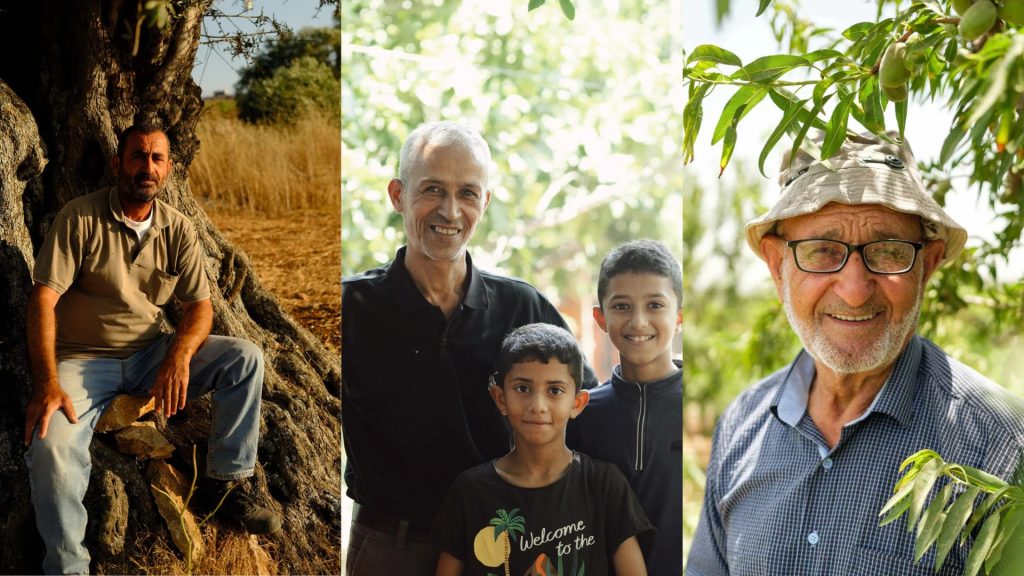
Across Palestine and the diaspora, family-owned food enterprises continue to protect agricultural heritage while sustaining rural livelihoods. Choosing their products means directly supporting Palestinian farmers, traditional food systems, and community resilience.
- Canaan Palestine works with small family farms across historic Palestine, preserving age-old agricultural traditions through premium foods such as olive oil and za’atar. By supporting regenerative farming and fair partnerships, Canaan strengthens rural communities while sharing authentic Palestinian flavors globally.
- Huwa olive oil comes from Aqraba, where families have cultivated olive trees for generations. Organic and rain-fed, Huwa ensures farmers receive significantly higher income than conventional supply chains, allowing traditional agricultural practices to continue.
- Al’Ard partners with farmers and cooperatives to elevate traditional Palestinian food products to global markets. By creating stable demand and improving production quality, Al’Ard strengthens economic resilience while protecting agricultural heritage.
- AIDA olive oil and food products channel all proceeds toward community projects through Playgrounds for Palestine, supporting schools and children’s initiatives in Gaza.
- YA ALBI olive oil connects diaspora communities to Palestinian land through family-sourced oil produced in the West Bank. Founded by a Palestinian mother-and-daughter duo, the brand centers memory, identity, and economic justice in every bottle.
Supporting Palestinian family-owned food brands sustains farmers, land stewardship, and the living food traditions that continue to shape Palestinian kitchens.
Through Dagon, Jinan continues the work of reclaiming what was never meant to disappear, returning Palestinian food to its people, its farmers, and its stories.
This Ramadan, as tables fill and families gather, each dish becomes more than a meal. It becomes continuity, belonging, and the living practice of sumud.
Stay Connected
Follow BuildPalestine on Instagram for more stories on the ground
Become a BuildPalestine member to directly support Palestinian social enterprises
* 48 Territories refers to Palestinian land occupied in 1948 — used instead of “Israel” to center Palestinian history over colonial naming.