A BuildPalestine resource on why direct giving, mutual aid, and solidarity are vital lifelines for Gaza today.
Why is giving to Gaza so challenging right now?
Gaza is under a total siege, and traditional aid routes are severely restricted—creating not just a humanitarian emergency, but a man-made structural crisis. The UN and aid agencies report that the ongoing Israeli genocide and blockade have stifled delivery of basic necessities like food, medicine, and fuel—forcing the population toward mass starvation and disease. Over 70% of Gazans face emergency or catastrophic levels of food insecurity, and the WHO warns that famine is not imminent—it’s already here.
Compounding the crisis, aid convoys are frequently denied entry, looted, or rendered ineffective—both before the convoys even reach Gaza, and when they do.
The Gaza Humanitarian Foundation (GHF)—backed by the U.S. government and Israel—is now a primary aid distributor. But its model has been denounced as militarized and politicized. The UN has rejected GHF’s approach as a distraction that endangers civilians and undermines humanitarian practices. Its distribution centers, positioned near military zones and secured by private contractors, have become sites of violence. As of early August 2025, the UN documented that at least 859 Palestinians had been killed in the vicinity of GHF sites while seeking food.
This is evidence of how humanitarian infrastructures are being weaponized in Gaza, making donating to Gaza fraught, unpredictable, and often dangerous for the very people it’s meant to help.
How can I approach giving from a place of empowerment rather than helplessness?
When bureaucracies fail and access is blocked, donating to Gaza directly becomes more than charity—it becomes resistance. Direct donations to families and locally-led groups provide a lifeline in real time, bypassing delays and systems that cost lives. They restore agency and dignity, giving Palestinians the power to decide what they need most. Unlike institutional aid that often gets caught in politics and red tape, donating to Gaza directly is faster, more accountable, and rooted in solidarity. It’s a way to save lives today while affirming the right of Gazans to live with choice and dignity. This doesn’t mean larger organizations like UNRWA and World Central Kitchen don’t matter—they play a critical role in providing large-scale infrastructure and services. But alongside that work, direct giving allows everyday people to respond quickly, fill urgent gaps, and keep hope alive through people-to-people solidarity.
Empowerment comes from clarity and alignment. Rather than reacting out of guilt or fear, pause and ask: What impact do I want to have? Which mutual aid networks or organizations reflect my values? By choosing partners that are trusted, transparent, and rooted in the community, you transform giving into a deliberate act of solidarity rather than a desperate response.There are plenty of mutual aid networks and local initiatives that are delivering life-saving and life-affirming aid to Gazans right now – and it’s crucial that our giving uplifts their work. BuildPalestine compiled a list of trusted organizations in Palestine to donate to here.
How do I know if an organization is trustworthy?
Look for groups that:
- Are locally led or have deep relationships with people on the ground
- Share specific updates about how funds are used
- Are transparent about limitations—honest organizations will tell you what they can and cannot do under siege conditions
- Have a track record of impact, whether in emergency relief, reconstruction, or long-term development
Through our Nourishing Hope for Gaza initiative, BuildPalestine has been systematically searching for, vetting, and campaigning for locally-led initiatives that are not only delivering humanitarian relief but providing social lifelines to the Gazan population through outlets such as co-working spaces, music, arts & theater, and university scholarships.
Other on-the-ground initiatives include:
What about mutual aid and directly supporting individual families?
Mutual aid initiatives and direct giving empower Palestinian families to meet their needs with dignity, flexibility, and choice. While large organizations are essential for delivering broad relief, direct giving to families allows them to decide what matters most for their survival and well-being and reduces desperation that leads to relying on deadly aid sites. Supporting both approaches – giving to community initiatives and directly giving to families – helps create a more just and responsive form of aid. Here are some trusted mutual aid efforts to find vetted fundraisers for individual families:
How does the money I give to mutual aid funds and locally-led initiatives get to Gaza?
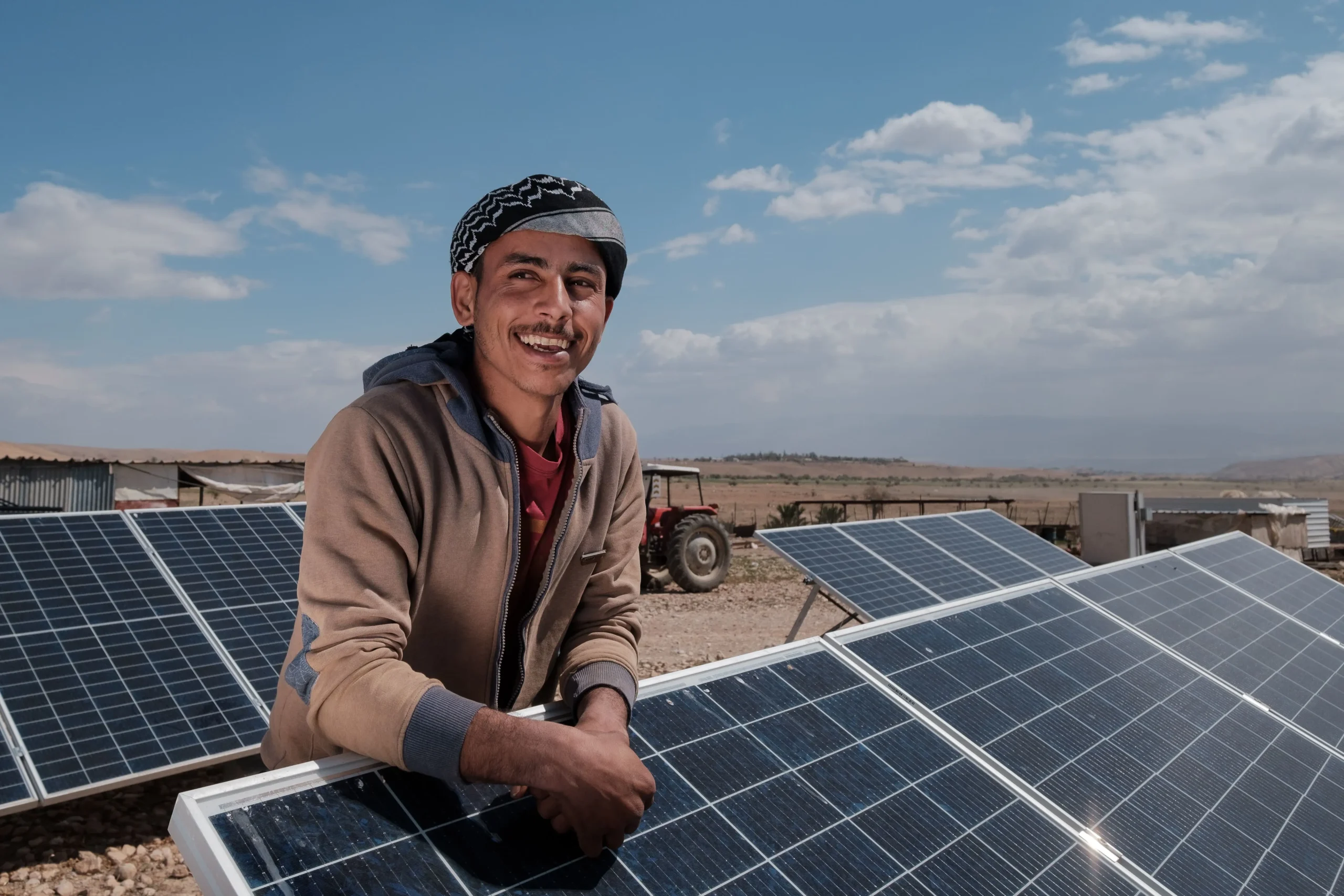
Funds raised through mutual aid initiatives are sent via international bank transfer directly to trusted families and community leaders in Gaza. The funds are cashed through local brokers, who charge exorbitant fees. The system is imperfect, but it works. Once in hand, this money is immediately used to purchase flour, food, medicine, solar panels, fuel, tents, and other essentials from what is available in the local markets. This process allows families to meet their own urgent needs with dignity and speed—without waiting on delayed or politicized institutional aid.
What if I feel like my contribution is too small to matter?
No contribution is too small. In fact, collective giving has been the backbone of Gaza’s survival. Small donations, when directed well, create sustained support and prevent aid efforts from relying solely on a few large funders. Research shows that campaigns with many small donors often outpace efforts driven by a few large gifts, and these collective contributions often generate higher total revenue.Moreover, by relying on many small, sustained donations, mutual aid fights donor fatigue and allows initiatives to plan more effectively—creating reliable support in a time when crisis has become chronic. When you give regularly—even in modest amounts—you help families and locally-led initiatives plan and stay resilient.
Should I give for emergency relief or long-term support?
Both are essential. Emergency relief saves lives now; long-term support ensures Gaza’s future. If you can, split your giving between urgent humanitarian aid and initiatives that invest in education, livelihoods, and infrastructure. This dual approach resists the idea that Gazans should only survive rather than thrive. The Sameer Project is a great example of an initiative that provides emergency relief, whereas Gaza Education Hub is an initiative that provides infrastructure, space, and community for Gaza’s freelancers to access a semblance of normalcy and income-generating opportunities. Another important initiative is Taawon’s ISNAD program, which provides scholarships to university students in Gaza to complete their studies online in vital fields such as nursing, pharmacology, education, and fields compatible with online freelancing careers.
How can I make sure my giving has a lasting impact?
- Give consistently, even after the headlines fade.
- Support organizations with a vision for Gaza’s future, not only its present crisis.
- Stay informed and amplify Palestinian voices, because financial support is powerful, but advocacy shapes policy and public opinion.
Beyond Giving
What if I can’t give, or I feel giving alone isn’t enough?
You’re not powerless if you can’t give money—or if you feel giving alone isn’t enough. Mutual aid is about more than donations; it’s about community. One of the most impactful things you can do is champion a fundraiser or initiative. That means sharing it directly with your network, telling the story behind it, and inviting others to act. Every time you amplify a family’s call for support, you expand their circle of care. Uplifting the narrative of empowered giving—where aid restores dignity and choice—helps shift the way the world responds to Gaza. You can become a Champion for BuildPalestine’s Nourishing Hope for Gaza initiatives via this form.
Taking political action is also vital in this time. The crisis in Gaza is not a natural disaster or tragedy—it is a politically-motivated crime against humanity; it is genocide. Speaking out against Israel’s occupation and the policies behind it is a meaningful and necessary way to support Gaza.
By both uplifting direct aid and speaking truth to power, you help create the conditions where Palestinian families can survive today and thrive tomorrow.
What role does BuildPalestine play in all this?
BuildPalestine connects global supporters with Palestinian-led initiatives, making a tangible impact. We carefully vet partners, share transparent updates, and help donors channel their generosity to trusted projects. Our goal is to help you give in a way that feels both effective and true to your values. Check out our ongoing fundraisers supporting Palestinian-led initiatives in Gaza.
What’s the single most important thing I can do right now?
Move forward. Take one step. Make one donation. Amplify one initiative. Attend a protest or fundraising event. Hang a sign in your window declaring that you stand with Palestine and talk to your neighbors about it. Post on your social media. Send an email out to your network with resources to become educated and empowered. Acting with clarity, even in small ways, transforms despair into solidarity. Gaza doesn’t need saviors—it needs partners. Follow BuildPalestine on Instagram and LinkedIn and sign up for our newsletter – we are constantly sharing ways for allies to take empowered action that directly impacts Gazan life.
Did you find this resource valuable?
Your support keeps us going and helps us to continue providing trusted resources on how can you support Palestine. To support BuildPalestine, become a member here.