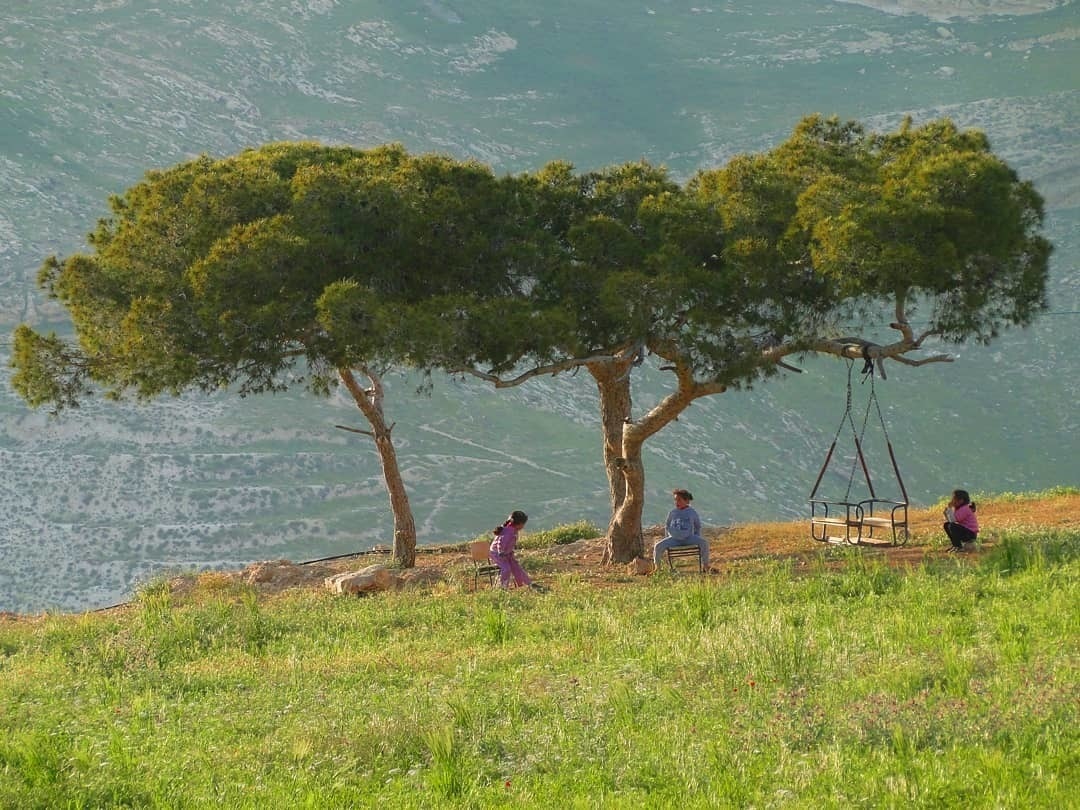
Al Ubeidiya – Photo by Bilal Taweel (Instagram: @bilal.h_altaweel)
Palestine and Israel have so much to offer the curious traveler. Rolling hills. Ancient olive trees. The world’s most important religious sites. Cuisine so good that entire nations have filed intellectual property claims on it. An airport (Ben Gurion) and land-border crossing (King Hussein/Allenby Bridge) notorious for racist screening practices of tourists and natives alike. Foreign visitors are generally welcomed, and movement restrictions at borders and checkpoints are primarily aimed at controlling Palestinian movement rather than that of foreign visitors — phew!
No mainstream travel guide will frame it this way, but this is the truth: traveling to Palestine means moving through landscapes of both oppression and extraordinary resistance, experiencing barriers designed to isolate Palestinians while witnessing the strength of communities that refuse to disappear. It means seeing the world as it truly is—and carrying what you have witnessed back to your own community in service of justice and liberation. .
We believe in full-service tourism here. You want to see Palestine? Then see all of it — the wound and the people healing it. The crimes committed and the people who refuse to let it be the last word.
Pack light. Bring your conscience. And wherever you go, look for the ones who are still building.
Planning Your Trip:
01-Getting to Israel and Palestine
There are no direct international flights to Palestine—a reality that reflects decades of systematic control and the ongoing struggle for Palestinian self-determination. Fun fact: Palestine had two airports at one point, one in Gaza that was bombed by Israel in 2001, and one near Jerusalem that has been barred for Palestinian use since 1967. The primary gateway for foreign visitors remains Ben Gurion Airport in Tel Aviv, a modern facility designed around security procedures that are instruments of surveillance and control. From there, Jerusalem lies less than an hour away, and the West Bank remains within reach through collective action—by taxi, bus, or rental car—each journey an act of teamwork.
Once we’ve landed, we quickly discover that movement between Israel and Palestine is never about distance—it’s about power, control, and the daily reality of occupation. Israeli authorities maintain total control over every entry point to the West Bank and Gaza, and the Israeli permit becomes both our burden and our tool for witnessing both sides of the separation wall. We must plan our routes with intention, expect delays at checkpoints as reminders of systemic oppression, and remember: every journey here becomes a lesson in geography, politics, and the literal patience required for justice.
02- Safety and Security
Is It Safe to Visit the West Bank?
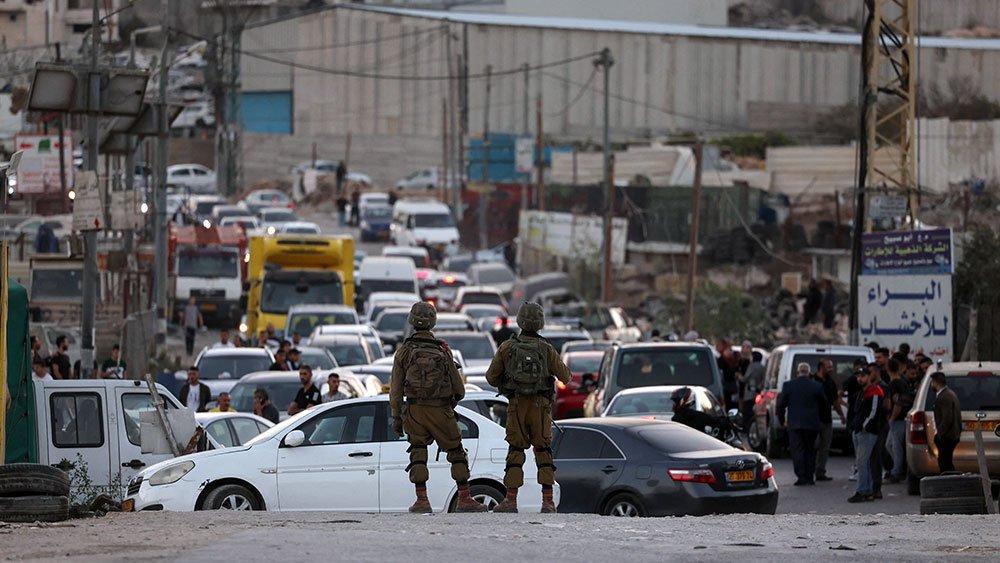
This is usually the first question people ask before coming. The short answer is yes—for most foreign visitors, it is possible to travel across the West Bank, move between cities, and navigate daily life without major incidents. You can take shared taxis, walk through city centers, sit in cafés, and move between places like Ramallah, Bethlehem, and Hebron in ways that often feel more normal than expected.
What becomes clear, however, is that safety is not experienced equally.
As a foreigner, you will likely pass West Bank checkpoints quickly, move between cities with relative ease, and avoid many of the restrictions that Palestinians face daily by the Israeli Occupation . The same road that feels accessible to you may be delayed, restricted, or completely blocked for someone else. The same checkpoint that takes you minutes, Others are not moving with you. A worker waits, unsure if he will pass. A student is getting beaten or shot. A mother stands holding her heavy bags with her children, a group of men blindfolded on the ground waiting without explanation.
Movement here is not simply controlled—it is decided. What takes you minutes can take a Palestinian hours, or not happen at all. In that sense, your experience of “safety” is shaped not only by where you are, but by who you are within that system. In other words, Israel is an apartheid state.
03- Get Acquainted With The Roads
The Labyrinth of Israeli Checkpoints in the West Bank
As of early 2025, there are over 800 Israeli military checkpoints, roadblocks, and physical barriers in the West Bank. In places like Wadi Al-Samen, a neighborhood of Hebron that is surrounded by three Israeli checkpoints, roads are blocked, and residents are required to continue on foot through controlled entry points. Children walk to school past armed soldiers, and families carry groceries by hand through checkpoints. What might feel like a short inconvenience to a visitor is a daily structure for those who live there.
This reality has also led to the creation of tools that help people navigate it. The “ع وين رايحين” (A Ween Rayeh — “Where Are You Going?”) app was built out of the daily challenges Palestinians face while commuting, providing real-time updates on checkpoints, road conditions, and accessible routes. It is a simple but essential response to a system where movement is unpredictable—helping people make decisions before they are already waiting.
Meanwhile, in Palestine: Rommana
In the same area of Wadi Al-Samen, you will find Rommana, a children’s center founded by Sara Abu Madi. Inside, children are painting, reading, watching films, and engaging in activities that allow them to experience something beyond the restrictions outside. Rommana does not remove the conditions surrounding it, but it creates space within them—offering access to creativity, learning, and connection in a place where movement is otherwise limited.
04 – Ecotourism
The Burning Olive Groves of the West Bank under Israeli Occupation
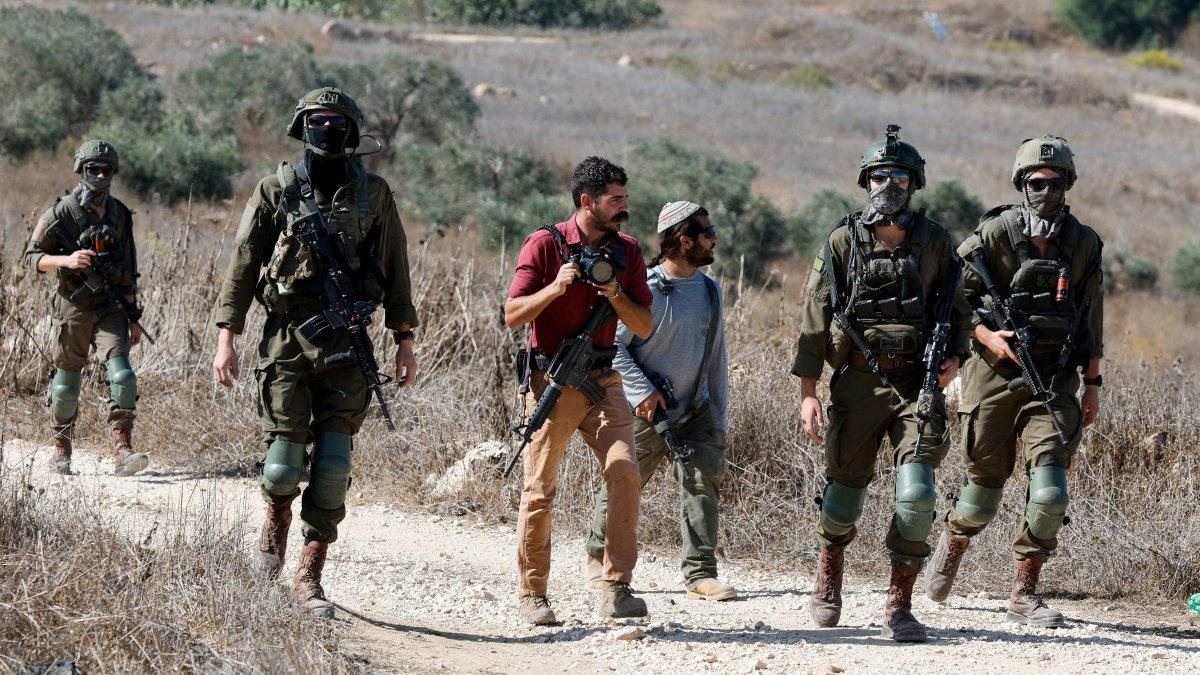
You’ve heard of harvest season. Palestine has a second season now: burning season. Every autumn, as Palestinian farmers begin the olive harvest — a ritual older than most nations on earth — Israeli settlers descend on groves that have been tended by the same families for generations. They come with torches. Sometimes with weapons. Sometimes with Israeli soldiers standing nearby to make sure nothing interrupts the process.
Olive trees are a significant part of Palestinian culture and identity, with almost half of Palestinian lands dedicated to growing them, symbolizing resilience and deep-rooted connection to the land. Since 2000, settlers have uprooted or burned hundreds of thousands of Palestinian olive trees. In 2023 alone, settler attacks on Palestinian agricultural land in the west banksurged dramatically — documented by the United Nations, by human rights organizations, by the farmers themselves, by anyone paying attention. Sheep have been stolen or slaughtered. Wells have been contaminated. Families who have farmed the same land for centuries have watched it become ash.
Meanwhile, in Palestine:
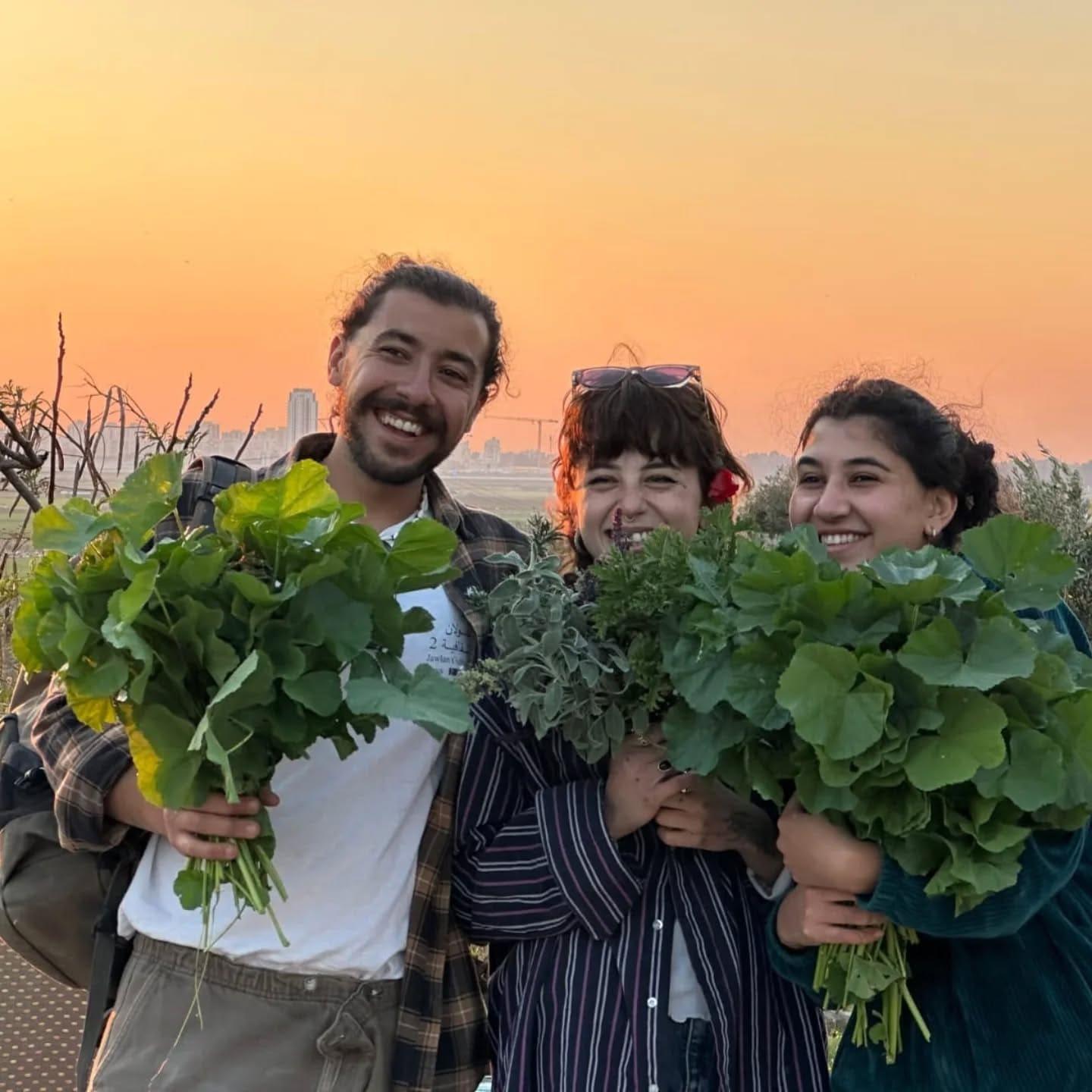
Nabat Eco Farm
Nabat takes neglected and damaged land and brings it back — not as a symbol, but as a working, productive ecosystem. Their approach is rooted in traditional Palestinian farming practices—practical, living methods that have sustained this land for centuries.
Every plant, soil patch, and water source at Nabat has a role. The farm is a place for students, researchers, and visitors to reconnect with the land — and, not incidentally, a demonstration that Palestinian agriculture does not require a settler’s permission to thrive.
Rawajeh Al-Saan
In Bedouin communities across Palestine, farmers and herders produce milk, cheese, and dairy products that carry the specific flavor of their land — land that is under constant pressure, constant encroachment, constant threat of disappearance.
Rawajeh Al-Saan connects these producers directly to consumers: marketing their products, ensuring quality, creating storage so goods are available year-round regardless of what the season brings. It is, among other things, a supply chain built to outlast disruption. Because in Palestine, building for continuity is itself an act of resistance.
05 – Culinary Tourism
The Hummus of Tel Aviv
Did you know that hummus is Israeli? No? Interesting. Try telling that to the international food media, which has spent decades earnestly covering the “Israeli food scene” — built substantially on dishes that Palestinians, Lebanese, Syrians, and others across the Middle East have been cooking for centuries before the state of Israel existed.
Iconic Palestinian dishes include falafel, knafeh, hummus, musakhan, and maqlouba. Knafeh, a traditional Middle Eastern pastry made with shredded pastry and cheese, is particularly famous in Nablus, Palestine. Musakhan is a traditional Palestinian dish consisting of roasted chicken baked with onions and spices, served on taboon bread. Falafel, made from ground chickpeas, is a popular street food in Palestine, often served in pita with pickled vegetables and sauces. Maqluba, meaning ‘upside down’, is a traditional Palestinian dish made from meat, rice, and fried vegetables, flipped upside down before serving. Hummus, a dip made from mashed chickpeas, tahini, garlic, and lemon juice, is commonly served as an appetizer in Palestinian meals. For visitors interested in exploring Palestinian food, customs, and culture, the Palestinian Heritage Center in Bethlehem offers exhibitions of traditional garments, books, artwork, and culinary heritage, preserving and showcasing Palestinian history.
These dishes have been formally marketed, exported, and in some cases trademarked under Israeli national branding, stripped of the cultures that created them. It is a particular kind of erasure — one that operates not with a bulldozer but with a PR agency.
When you erase a people’s physical presence from a land, you still have to deal with their culture. The solution, apparently, is to keep the cuisine and delete the footnote. Call it fusion. Call it regional. Call it Mediterranean. Call it Israeli. Just don’t call it what it is.
Meanwhile, in Palestine: Dagon
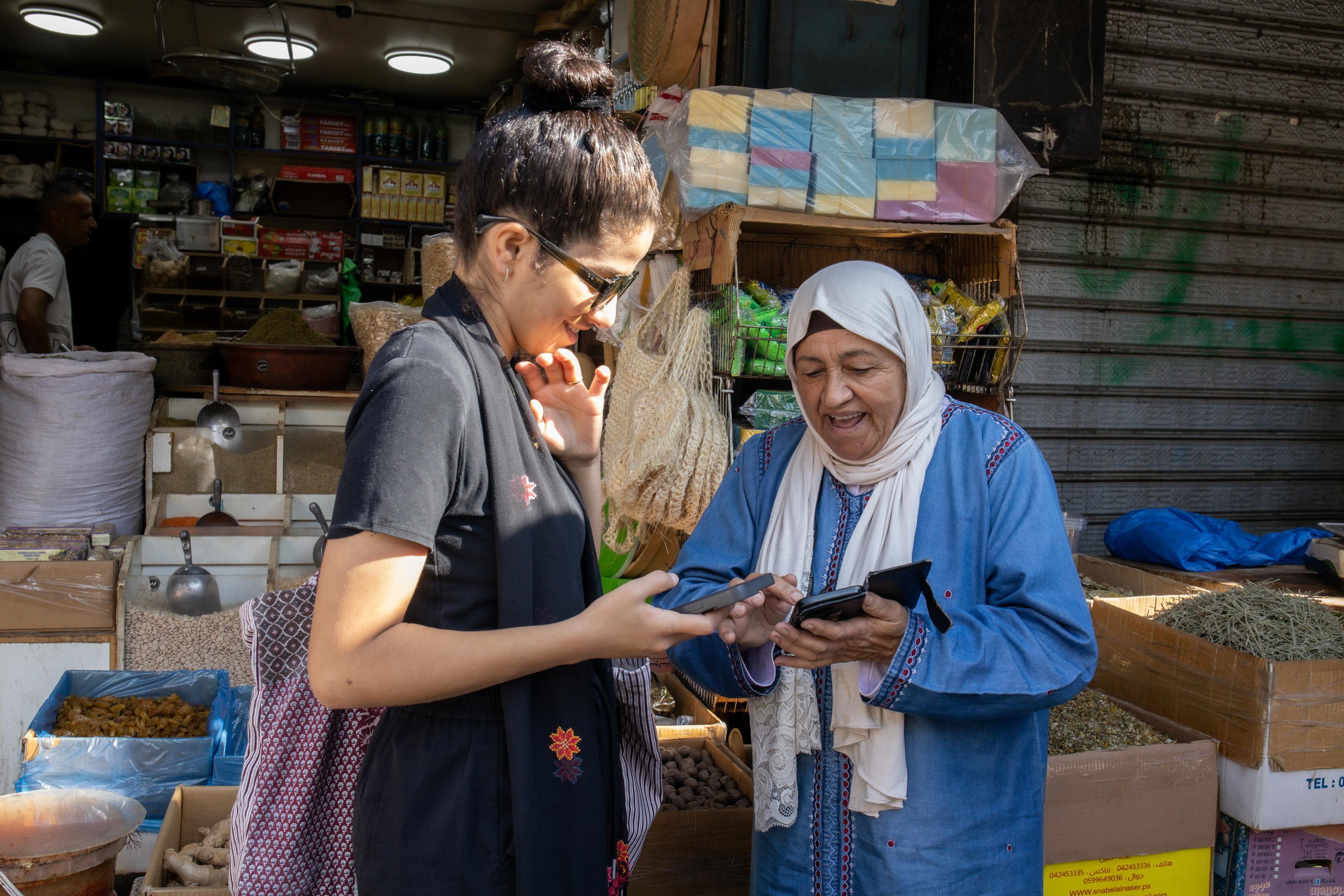
Jinan Sawahreh founded Dagon on a premise that should be obvious but has become, under the circumstances, almost radical: Palestinian food belongs to Palestinians. Through immersive cooking experiences, workshops, and educational initiatives, Dagon takes you into the kitchens and the histories where these dishes were born and developed — not as a museum exhibit, but as a living culture that still eats, still cooks, still passes recipes between generations.
Through workshops and food tours in East Jerusalem, Dagon restores what appropriation is designed to sever: the connection between a people and the food that made them.
06 – Innovation Tourism
Welcome to Startup Nation: Home of the World’s Most Surveilled Population
Israel has a remarkable tech sector. It will tell you this constantly. “Startup Nation” is not just a phrase; it is a brand, an export, a talking point deployed at Davos and in TED talks and in the opening lines of op-eds about why we shouldn’t be too hasty in our judgments. Silicon Valley loves Israel. The feeling is mutual.
What the pitch deck leaves out: a significant portion of Israeli surveillance technology, drone warfare systems, crowd-control weapons, and AI-powered targeting tools have been developed and refined in real time on a captive Palestinian population. Gaza has served, for years, as a live testing ground for weapons later exported to authoritarian governments around the world.
Meanwhile, in Palestine: MKNA
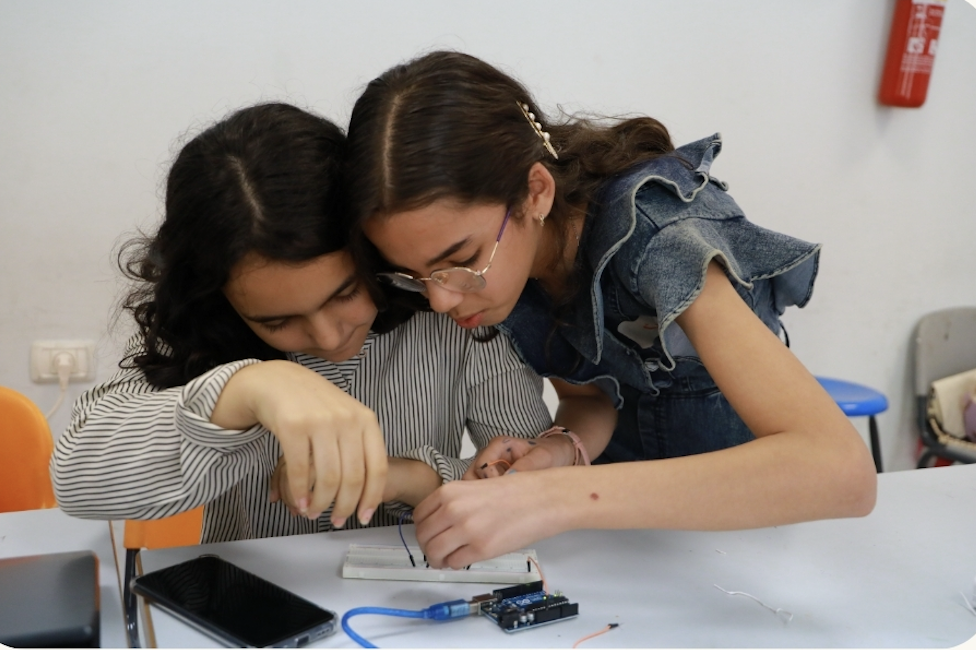
Israa Othman built MKNA on the belief that sustainable development is only possible when communities are empowered to build their own futures — not dependent on foreign aid, not on the goodwill of an occupying power, but on skills, networks, and a creative economy rooted in Palestinian hands.
Through training programs in design, digital media, and entrepreneurship, MKNA equips Palestinian youth with tools that are genuinely theirs: portable, practical, and oriented toward social responsibility and innovation. The enterprise also supports local artisans, creatives, and entrepreneurs through collaboration platforms, mentorship, and job creation. It is, in the most grounded sense, an answer to the claim that Palestinian economic development requires Israeli permission. It doesn’t. It never did.
07 – Heritage Tourism
Lifta: A Ghost Tour of an Ethnically Cleansed Village
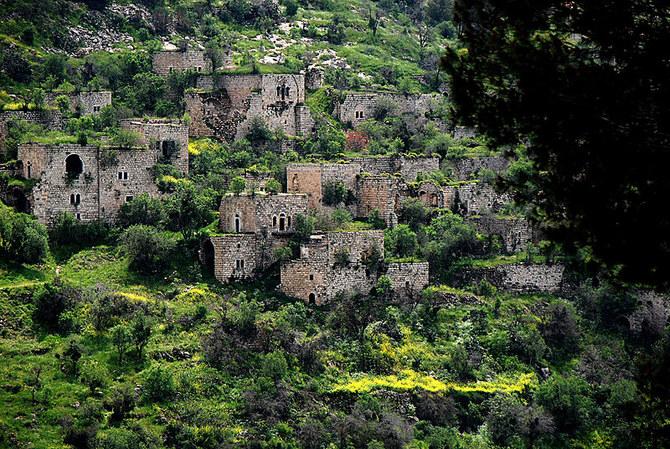
On the outskirts of Jerusalem, where the highway begins its descent into the city, you can see the stone houses of Lifta. They are still standing. Their arched doorways and terraced gardens, gone wild now, reflect architectural roots dating back to the Ottoman period, which contributes to Lifta’s historical significance. The spring that the village was built around, still flowing. Nobody lives there. Nobody has lived there since 1948, when the village was depopulated during the Nakba and never resettled. It has been called one of the last remaining unrestored Palestinian villages from that year. A ruin, visible from the road, that Israel has alternately proposed demolishing and turning into a luxury resort.
Meanwhile, in Palestine: VirtuaLand

If you cannot yet return to Lifta in your body, VirtuaLand will take you there in every other way that currently exists. Using 3D scanning, digital twin technology, VR and AR, and geospatial informatics, VirtuaLand documents and preserves Palestinian cultural and natural heritage — creating immersive digital records of sites that are under threat, already destroyed, or inaccessible to the people who belong to them.
The resulting models can be held by governments, museums, institutions, scholars, and the communities themselves. When a village is bulldozed, the record survives. When a family cannot cross a checkpoint to see their ancestral home, they can stand inside it. VirtuaLand is building the archive that erasure cannot reach.
08 – Medical Tourism
Gaza’s Children: The War on Small Bodies
Since October 2023 – thanks to Israel – Gaza has produced a new medical term: “WCNSF” — Wounded Child, No Surviving Family. Doctors coined it because it was happening often enough to need a category. A child is brought in. They survive the surgery. There is no one left to come for them.
The children who survive — missing limbs, missing families, missing the first years of school, missing the ordinary parts of childhood — will grow into adults in a society that, even before October 2023, had barely any infrastructure for disability inclusion. Palestine will need to rebuild not just its buildings but its entire conception of who belongs in public life, who deserves access, who counts as a full participant in a society.
Meanwhile, in Palestine: Art to Heart
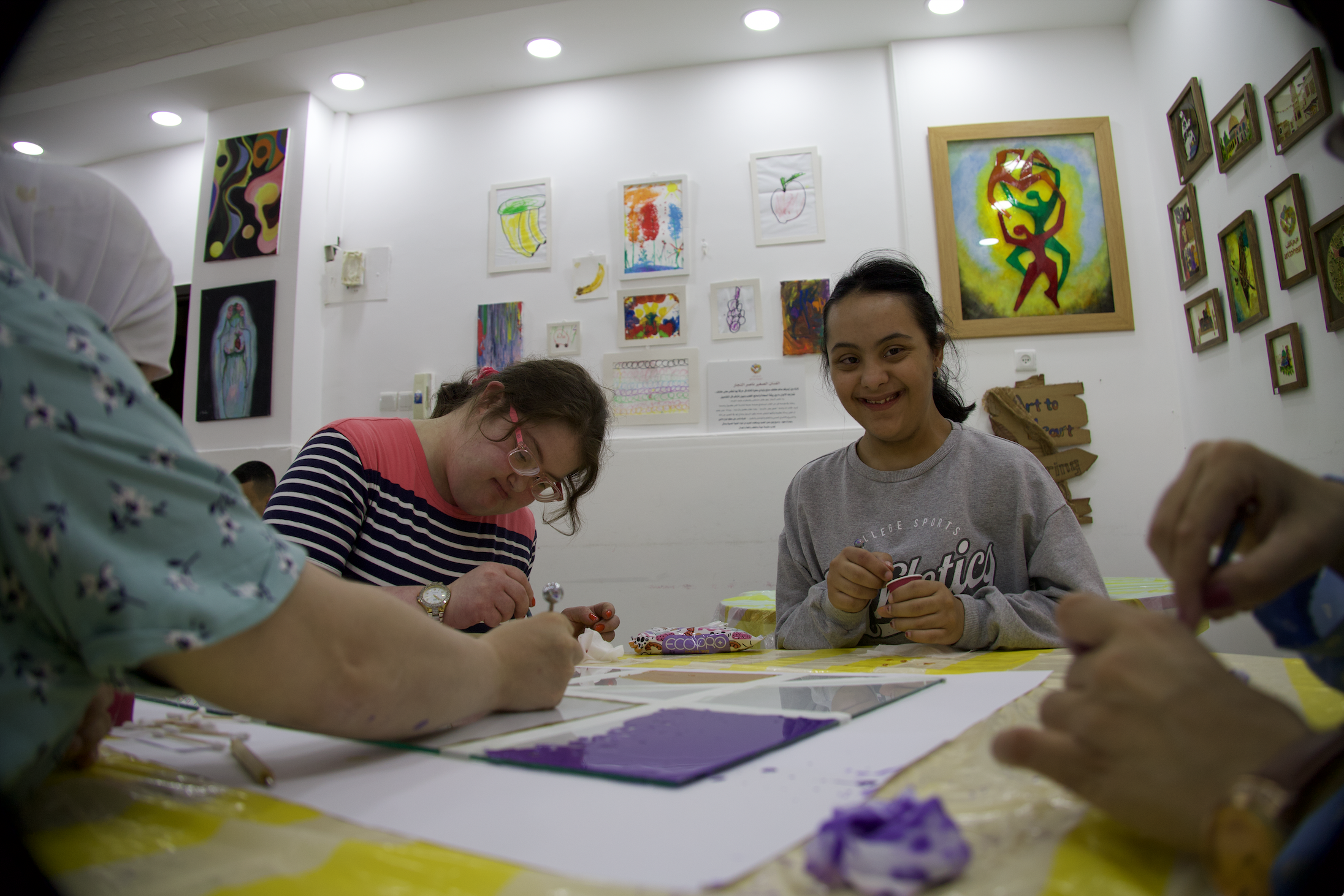
While it is impossible for tourists to visit the Gaza Strip due to the Israeli-imposed blockade since 2007, over in Nablus, Art to Heart was founded in 2018 with a specific and urgent belief: that art therapy is not a luxury for disabled people, but one of the most powerful tools available for self-expression, community, and the radical remaking of how society understands disability. The organization works with disabled and neurodiverse Palestinians — using creative engagement not as therapy-adjacent niceness, but as genuine advocacy for rights and belonging.
In the context of what is coming — a generation of Palestinian children who will grow up with acquired disabilities, in a society that will need to completely reconceive its relationship to inclusion — Art to Heart is not just an organization doing good work. It is a blueprint. A proof of concept for what a Palestinian society can look like when it decides that everyone makes it through, and everyone gets to participate in building what comes next.
These enterprises are real. So is your ability to support them.
This is what it looks like to build under occupation. Not in spite of it. Not waiting for it to end. During it.
BuildPalestine works to make the Palestinian social impact sector independent of foreign aid and neo-colonial systems — by connecting Palestinian social enterprises with the resources, networks, and visibility they need to build on their own terms.
Become a BuildPalestine member and directly support these social entrepreneurs to keep building. And then visit us in Palestine to see what it means to build.
FAQ
In all seriousness, we encourage you to visit Palestine. Here are some tips to enjoy a safe, ethical, and authentic experience of occupied Palestine.
How can I support Palestinians through my tourism?
Before your trip:
- Research Palestinian-owned guesthouses and tour operators
- Identify social enterprises you want to visit or support
- Check BuildPalestine’s website for current initiatives and lists of brands to support
During your trip:
- Book with Palestinian-owned accommodations
- Visit social enterprise shops and community centers
- Attend events (markets, cultural nights, workshops)
- Ask permission before photographing sensitive sites or people
After your trip:
- Follow and share the stories of initiatives you encountered
- Support crowdfunding campaigns for specific projects
- Offer professional skills (design, marketing, mentorship) if relevant
- Stay informed of the social innovation scene via BuildPalestine’s Newsletter
Is it actually possible to visit Palestine as a tourist right now?
Yes. Most foreign visitors enter through Ben Gurion Airport and travel into the West Bank via Jerusalem. From there, you can reach cities like Ramallah, Bethlehem, Nablus, and Hebron using shared taxis or buses. The process is often straightforward for international visitors, though entry conditions depend on your nationality and can change quickly. Gaza, however, is not open for tourism.
What matters more than access is awareness. You can visit Palestine, but you are entering a place where movement, access, and daily life are shaped by systems you may not fully experience yourself. Understanding that difference is part of visiting responsibly.
How dangerous is it to move around Palestinian cities day to day?
For many visitors, daily movement can feel relatively normal. You can walk through city centers, sit in cafés, and move between places without major disruption. At the same time, conditions can shift quickly. Checkpoints may close, military presence may increase, and routes may change without notice.
What becomes clear is that safety is not experienced equally. As a foreigner, you will likely move more freely than Palestinians around you. The same streets are shared, but not under the same conditions. Staying aware, informed, and flexible is essential—not just for your own safety, but for understanding the environment you are moving through.
Can I visit Gaza as part of my trip to Palestine?
No. Gaza is not accessible for tourism. Entry is restricted to diplomats, humanitarian workers, and a limited number of journalists under strict permit systems. Even many Palestinians are unable to enter or leave freely.
If you want to support Gaza, the most meaningful way is not through travel, but through engagement. Organizations like BuildPalestine connect people to trusted, community-led initiatives that are working on the ground and can be supported from outside.
How can I support Palestinian communities without engaging in “disaster tourism”?
Start by shifting your role—from observer to participant. Stay in Palestinian-owned accommodations, use local transportation, and spend time with community spaces and social enterprises rather than only visiting sites of conflict. Ask before taking photos, especially in sensitive areas, and take the time to understand the context behind what you are seeing.
Most importantly, stay connected beyond your visit. Follow the initiatives you encounter, support their work, and engage with them as ongoing efforts, not one-time experiences. Platforms like BuildPalestine exist to make that connection possible, focusing on long-term relationships rather than extractive visits.
Do I need to speak Arabic to get around in Palestine?
You can get by with English in most cities, especially in Ramallah, Bethlehem, and areas where visitors are common. Many people working in hospitality, transportation, and community spaces speak English comfortably.
That said, learning a few words in Arabic—marhaba (hello), shukran (thank you)—changes the way you are received. It signals respect and openness, especially in smaller communities where English may be less common. Language is not a barrier, but it can be a bridge if you choose to use it.
Will I actually see what’s happening on the ground, or is it hidden from tourists?
It is not hidden—but it is not always obvious either. As a visitor, you may move through checkpoints quickly, access cities with ease, and experience a version of daily life that feels relatively normal. At the same time, if you slow down and pay attention, you will begin to notice what is happening around you—delays, restrictions, differences in how people are treated, and the presence of systems shaping movement and access. What you see depends on how you move and how willing you are to observe beyond your own experience.
What is the best way to move between cities in the West Bank?
The most common and reliable way to move between cities is through shared taxis, known locally as “service.” These connect major areas like Ramallah, Bethlehem, Nablus, and Hebron and are used daily by Palestinians. They are affordable, efficient, and give you a more accurate sense of how movement works on the ground. Using local transportation is not only practical, but also supports Palestinian drivers and local systems that operate despite ongoing restrictions.
Can I visit Palestinian communities beyond the main cities?
Yes, but it requires more awareness and intention. Visiting areas beyond major cities—such as rural communities or places like Wadi Al-Samen—can give you a deeper understanding of how people live within more restricted environments. At the same time, access to these areas may involve checkpoints, walking through controlled entry points, or navigating limited infrastructure. Engaging through local organizations, community spaces, or social enterprises is often the best way to visit respectfully and meaningfully.