Reflections from a Venezuelan-Palestinian BuildPalestine Team Member
My name is Tasnim and I’ve been a BuildPalestine team member since 2022. I’ve spent 25 years in Ramallah, Palestine and almost the last two in Valencia, Venezuela.
On June 24, 2026, twin earthquakes struck Venezuela less than a minute apart. Buildings collapsed in Caracas and La Guaira. At least 2,954 are dead, 16,500 people injured and more than 50,000 are missing under the rubble.
As soon as I saw the images and videos from the affected areas، my mind went immediately to Gaza, from the collapsed buildings, people under the rubble, pictures frames hanging on the demolished walls and children’s toys covered in blood on the ground.
I have seen these scenes before but in a different place and from a different cause.
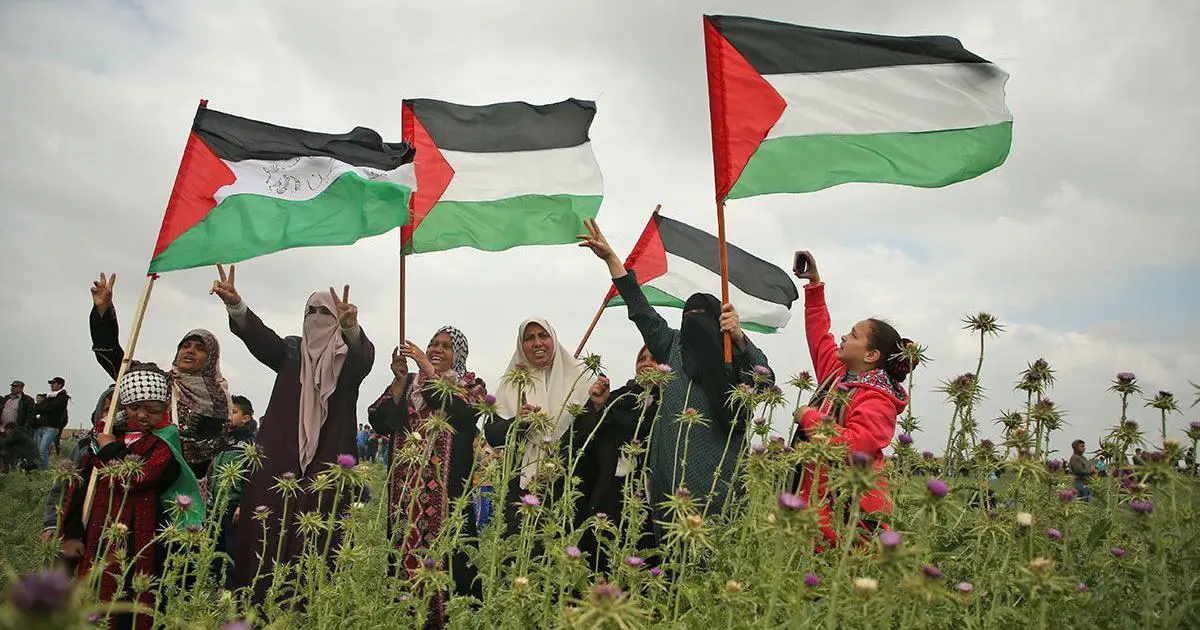
Donde comen dos, comen tres: The motto of sumud صمود
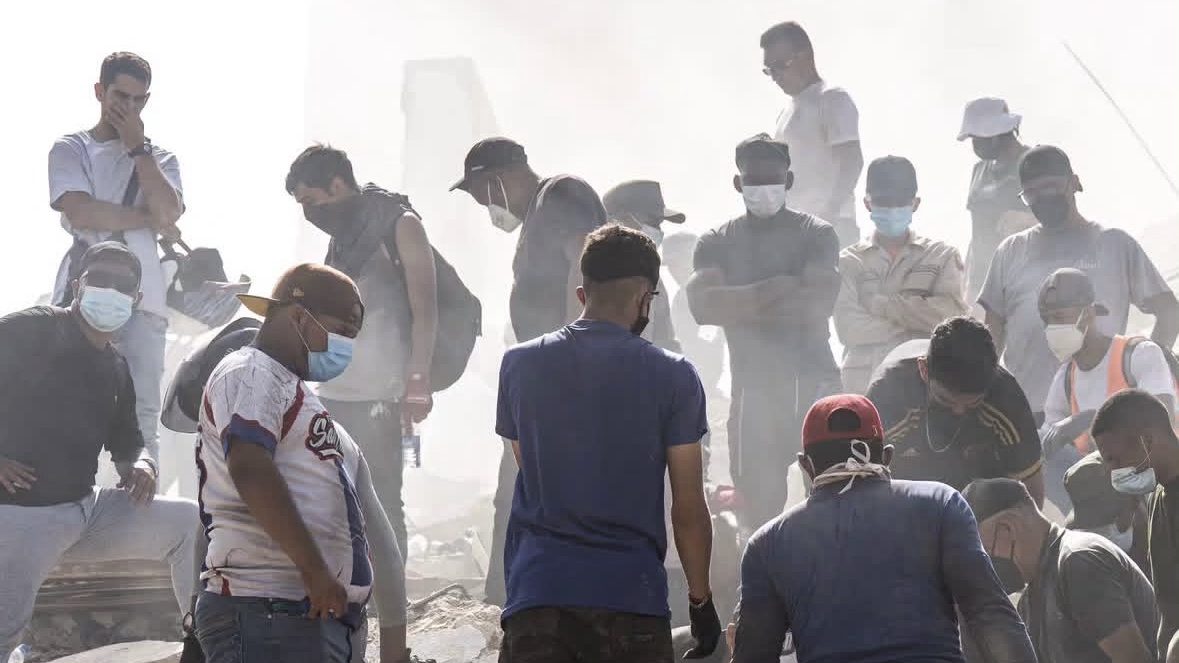
La Guaira, Venezuela
What struck me was not only the earthquake itself, but how the Venezuelan people took the lead immediately to use whatever they had to start searching and save their own people from the rubble.
Communities, businesses and families set up aid points for people to donate money, medications, food, blankets and all the essentials needed in these times.
The amount of damage and loss wasn’t clear yet due to the cut of communications and service. Despite the lack of information, help from all parts of Venezuela was sent via private buses, taxi drivers, and privately-owned cars before any governmental or international aid even arrived.
In Palestine, we call this sumud — صمود (steadfastness). In Venezuela, they say donde comen dos, comen tres (where two can eat, three can eat). Different phrases.
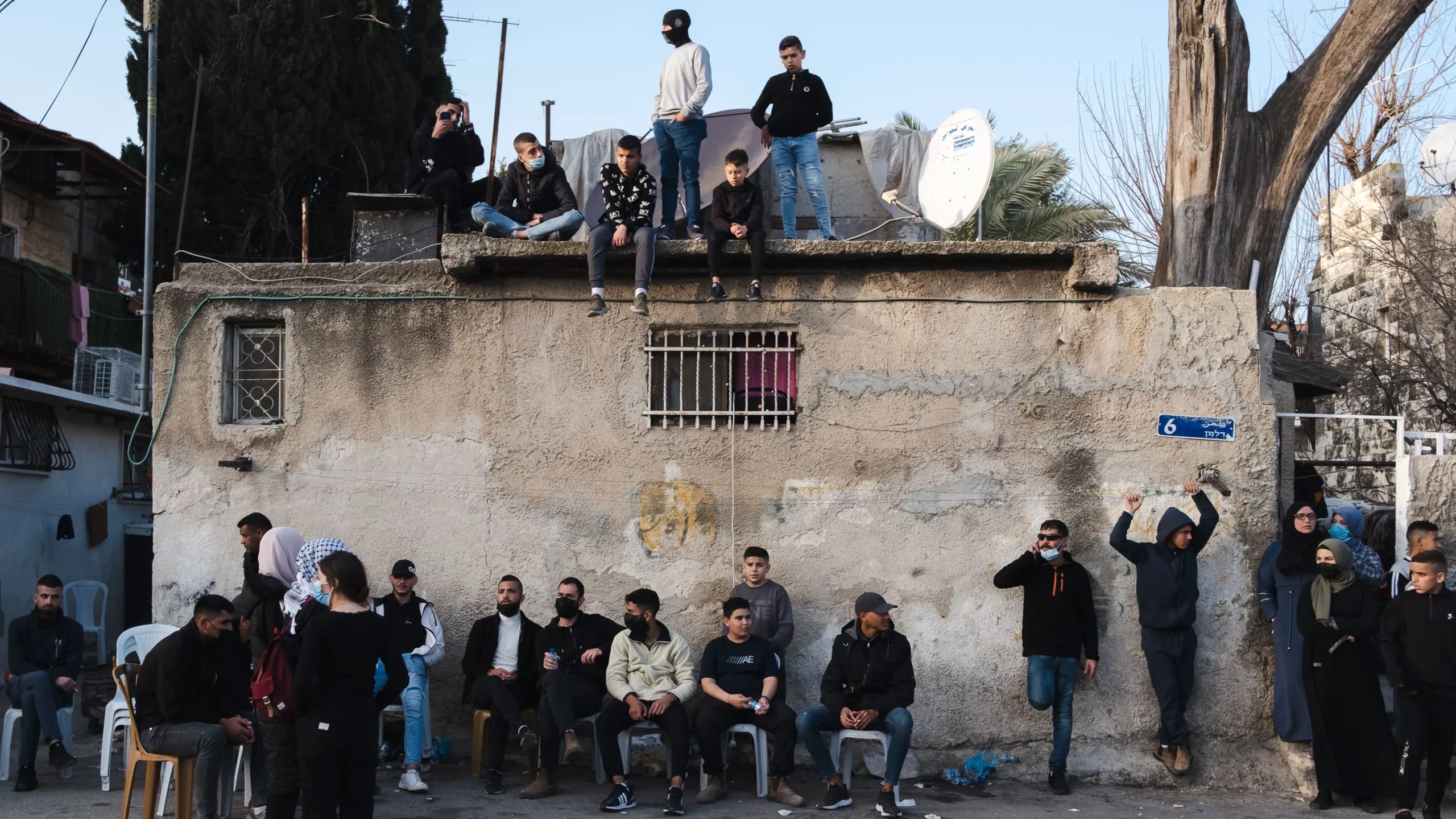
The same instinct that keeps communities rooted to each other in times of crisis.
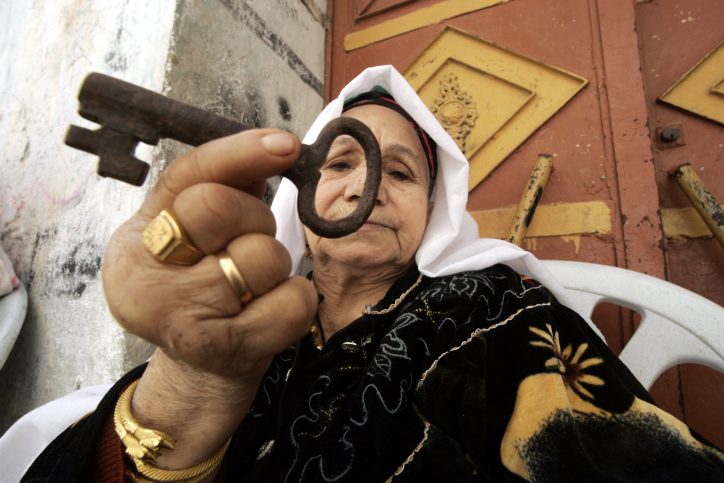
We have been doing this for decades. From opening our homes to people stranded by occupation checkpoints and closures, to collecting money to help rebuild demolished homes in the West Bank and providing aid to our people in Gaza.
The crisis changes, the response doesn’t.
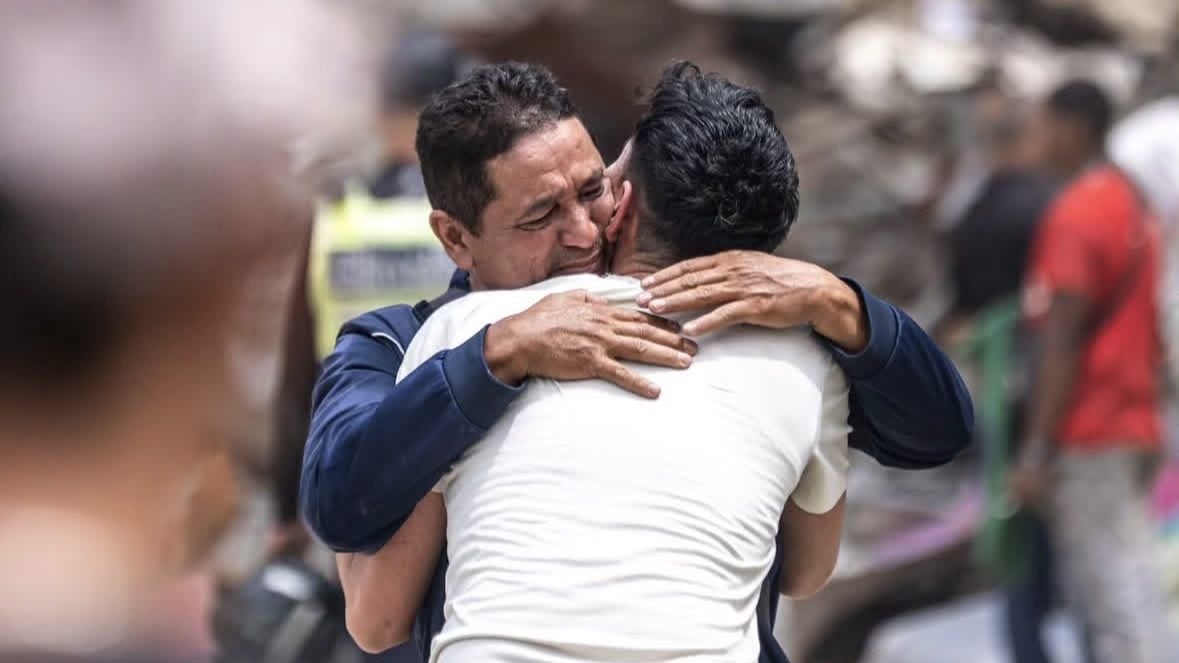
This is why I believe in what we are building at BuildPalestine.
We build and mobilize a global community to harness people power as a fuel source for genuine progress in Palestine.
We don’t design solutions for Palestinian communities. We find the people already building them, the social entrepreneurs already running the school, the mutual aid network, the cooperative, the mental health service and we give them what they actually need: skills to grow sustainably, networks and connections, funding with no restrictions or burdensome reporting.
Because the $40 billion of international aid that entered Palestine since 1993 hasn’t helped in supporting or developing Palestinian social enterprises working on the ground to solve real problems and to face real challenges.
The greatest failure is that aid keeps arriving from the outside, with external priorities that leave our communities, organizations and businesses dependent rather than empowered.
As researcher Yara Asi put it, decades on, “nobody seems to know what the long-term purpose of aid in Palestine is anymore.”
It should have always been about bolstering communities that can solve our own challenges and problems.
And Venezuela is showing us why this matters more than ever.
Before the earthquake even hit, Venezuelans were already living through an economic crisis that left most families surviving on just a few dollars a month. Years of sanctions and economic restrictions hollowed out the state’s capacity leaving hospitals without supplies, emergency services without equipment, and communities without a safety net.
There was no functioning system to act upon a crisis like that.
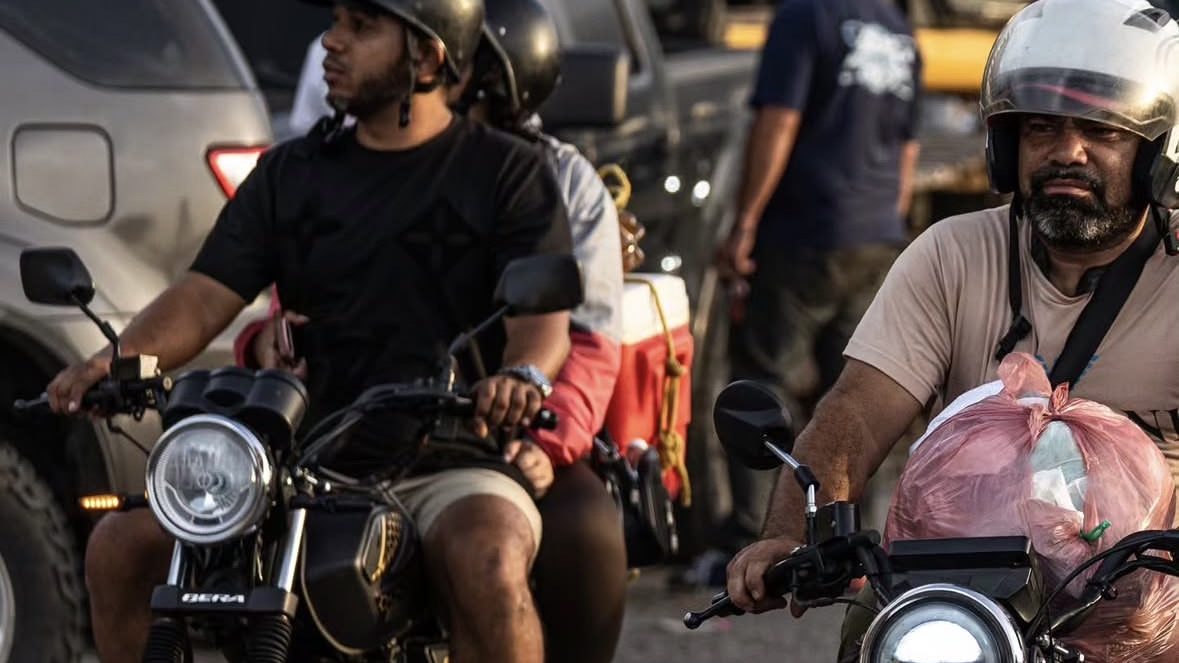
And yet, the Venezuelan people showed up and contributed with what they had. They collectively acted before grieving their loved ones and their country.
That’s why investing in communities is the only sustainable, dignified way forward. Community becomes the infrastructure that is ready to be activated in the face of crisis.
I’ve seen it in Palestine and I’m seeing it in Venezuela. And we’re proving it every day through Nourishing Hope for Gaza with funding goes directly to grassroots leaders already doing the work. No intermediary and no delay.
Donde comen dos, comen tres. That spirit doesn’t belong to one country. It belongs to every community that has ever had to become its own first responder.
How You Can Act On This Now
Support vetted, on-the-ground relief efforts in Venezuela directly.
Become a Nourishing Hope for Gaza Champion: Join a global network of champions for Gazan-led social enterprises providing immediate relief to their community.